You Won’t Believe What Bandung’s Wild Side Just Revealed
Nestled in the highlands of West Java, Bandung is more than just a city of style and street food—it’s a gateway to some of Indonesia’s most jaw-dropping natural landscapes. From misty volcanic peaks to emerald tea plantations and hidden waterfalls, this region pulses with raw, untouched beauty. I’ve wandered its trails, felt the mountain breeze, and stood speechless before its panoramas. If you're chasing nature that feels both wild and welcoming, Bandung delivers in ways you never expected. This is not just a destination for urban explorers or food lovers—it's a sanctuary for those who seek peace, adventure, and connection with the earth. Here, nature isn’t staged; it breathes, shifts, and reveals itself slowly, rewarding those who take the time to look closely.
The Highland Heartbeat: Why Bandung’s Geography Creates Natural Magic
Bandung rests in a geological cradle shaped by fire and time. Sitting over 700 meters above sea level, the city lies within a massive caldera formed by a supervolcanic eruption more than 55,000 years ago. This ancient collapse created a natural basin surrounded by a ring of volcanoes, including Mount Tangkuban Perahu, Mount Burangrang, and Mount Bukit Tunggul. The result is a landscape of dramatic contrasts—steep ridges, fertile valleys, and a climate cool enough to feel more like Switzerland than tropical Indonesia. The elevation ensures average temperatures hover between 18°C and 25°C, making it a refreshing escape from the humidity of Jakarta and other lowland cities.
This highland setting does more than offer comfort—it nurtures life. The volcanic soil, rich in minerals, supports lush vegetation and productive agriculture. Mist from the surrounding mountains rolls into the basin each morning, feeding streams and rivers that flow into Lake Bandung and beyond. These waters sustain not only crops but also the biodiversity that thrives in the region’s forests and wetlands. Birds, butterflies, and small mammals find refuge in the cooler microclimates, while native plant species like the Javanese edelweiss cling to higher slopes. The interplay of elevation, rainfall, and geothermal activity creates a living ecosystem that feels both ancient and vibrant.
What makes Bandung’s geography truly special is how it shapes the human experience of nature. The mountains are not distant backdrops—they are accessible, inviting exploration. Trails wind through forested slopes, tea plantations cling to volcanic ridges, and crater lakes shimmer under morning light. This proximity allows visitors to engage deeply with the landscape, whether hiking at dawn or sipping tea overlooking endless green. The city’s location is not just scenic—it’s transformative, turning every journey into a sensory immersion. For families, couples, and solo travelers alike, Bandung offers a rare balance: the convenience of urban life paired with the immediacy of wild nature.
Volcanic Vistas: Conquering (or Just admiring) Tangkuban Perahu
Rising just 20 kilometers north of Bandung, Mount Tangkuban Perahu stands as one of Java’s most iconic volcanoes. Its name, meaning “upside-down boat” in Sundanese, comes from a local legend about a heartbroken princess who turned her father’s boat into stone. While the myth adds charm, the mountain’s real power lies in its geology. As an active stratovolcano, it features multiple craters, including Kawah Ratu, Kawah Upas, and Kawah Domas, each offering distinct views and experiences. Steam vents hiss constantly, releasing sulfuric fumes into the air, while the crater walls reveal layers of ash, lava, and mineral deposits—evidence of centuries of volcanic activity.
For visitors, Tangkuban Perahu offers flexibility. Adventurous hikers can descend into Kawah Ratu, where the ground trembles slightly underfoot and the scent of sulfur fills the air. The trail is well-maintained but requires caution, especially near unstable edges. Handrails and warning signs help, but staying on marked paths is essential. Others may prefer to admire the crater from above, pausing at viewing platforms that frame the steaming chasm against a backdrop of rolling hills. At sunrise, the scene is unforgettable—pink light spilling over the rim, fog drifting like smoke, and the first rays warming the cool morning air.
Safety is a priority here. Although the volcano is monitored by Indonesia’s Center for Volcanology and Geological Hazard Mitigation, sudden eruptions or gas releases can occur. Visitors are advised to check activity levels before arrival and avoid entering restricted zones. Wearing masks or covering the nose with a damp cloth helps reduce irritation from sulfur gases. The best times to visit are early morning or late afternoon, when temperatures are cooler and crowds thinner. Guided tours are available and recommended for first-time visitors, offering insights into both geology and folklore. Whether you choose to hike or simply stand in awe, Tangkuban Perahu delivers a powerful reminder of nature’s raw energy.
Between the Rows: Walking Through the Lembang Tea Plantations
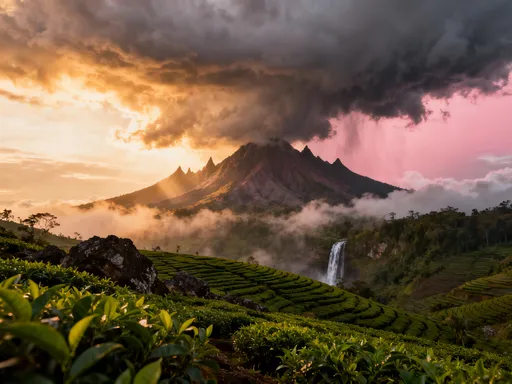
Just a short drive from Tangkuban Perahu, the hills of Lembang unfold in endless waves of green. These are the tea plantations that have defined the region’s agricultural heritage for over a century. Established during the Dutch colonial era, estates like Gunung Mas and Pagilaran continue to produce high-quality tea, blending tradition with modern farming practices. Rows of neatly pruned tea bushes stretch across slopes, their vibrant color intensified by frequent rains and mist. The air carries a fresh, earthy scent—damp soil, crushed leaves, and the faint bitterness of green tea—inviting visitors to slow down and breathe deeply.
Walking through these plantations is a multi-sensory journey. Guided tours often begin at processing centers, where visitors learn how tea leaves are harvested, withered, rolled, oxidized, and dried. Workers, mostly women in wide-brimmed hats, move methodically through the fields, plucking the tender top two leaves and a bud—the standard for premium tea. Tour participants may try their hand at picking, discovering how labor-intensive the process truly is. Later, many estates offer tastings, serving freshly brewed green, black, or jasmine tea with panoramic views of the valley. Sipping a warm cup while overlooking the endless green rows creates a moment of quiet joy, a pause in the rhythm of travel.
Beyond the tea itself, these plantations preserve cultural and environmental value. Some estates have introduced organic farming methods, reducing chemical use and protecting local water sources. Others support reforestation efforts, planting native trees along field borders to prevent erosion and provide habitat for birds. Visitors are encouraged to respect these spaces—staying on paths, avoiding litter, and supporting local vendors. The Lembang tea experience is not just about consumption; it’s about connection. It reminds us that beauty and sustenance can grow from the same soil, and that human hands, when guided by care, can work in harmony with nature.
Hidden Falls: Chasing the Emerald Pulse of Curug Dago and Beyond
On the eastern edge of Bandung, where the city’s sprawl gives way to forested ravines, waterfalls known locally as *curug* await discovery. Among them, Curug Dago is the most accessible, tucked into a narrow canyon just a few kilometers from residential neighborhoods. A paved trail leads through towering bamboo and ferns, the sound of rushing water growing louder with each step. When the falls come into view—a 60-meter cascade plunging into a rocky pool—the effect is both exhilarating and calming. Mist rises from the impact zone, cooling the skin and carrying the clean scent of wet stone. Some visitors dip their feet in the lower pools, while others simply sit on nearby benches, absorbing the rhythm of falling water.
Yet Curug Dago is only the beginning. More secluded falls like Curug Omas, Curug Cimahi, and Curug Malela offer deeper immersion. Curug Omas, located near Cisarua, requires a short hike through a shaded trail, its twin streams flanked by moss-covered boulders. Curug Cimahi, south of Lembang, drops in two powerful tiers, surrounded by pine and eucalyptus trees. On weekends, families gather here for picnics, children laughing as they splash in shallow areas under watchful parents. Meanwhile, Curug Malela, often called the “Niagara of Java,” spans a wide curtain of water during the rainy season, its roar echoing through the valley.
These waterfalls are not just scenic—they are vital ecosystems. They feed underground aquifers, support amphibians and insects, and contribute to regional humidity levels. However, increased tourism has brought challenges. Litter, unauthorized swimming, and trail erosion threaten their fragile balance. In response, local authorities and community groups have launched conservation programs, installing trash bins, marking safe paths, and educating visitors about responsible behavior. Some sites now limit daily entries or require small entrance fees to fund maintenance. Travelers can help by packing out waste, avoiding soap or sunscreen in the water, and respecting closed areas. By doing so, they ensure these natural treasures remain pristine for future generations.
Nature’s Playground: Exploring the Dusun Bambu Recreation Forest
Just 15 kilometers north of central Bandung, Dusun Bambu Leisure Park offers a model of sustainable recreation. Built on the site of former fishponds and degraded land, this eco-park blends leisure with environmental restoration. Winding paths lead through bamboo groves, lakeside gardens, and restored wetlands, where kingfishers dart and dragonflies hover. Wooden huts perched above the water serve as cafes or meeting spaces, their design inspired by traditional Sundanese architecture. Families stroll together, children pedal colorful bicycles, and couples pause at viewpoints to take photos. Yet beneath the surface, Dusun Bambu operates with a deeper purpose: to show how recreation and conservation can coexist.
The park’s design reflects careful planning. Rainwater is harvested and reused, solar panels power lighting, and organic waste is composted. Native plants dominate the landscaping, reducing the need for irrigation and pesticides. Educational signs explain local ecology, from the role of bamboo in preventing landslides to the importance of pollinators in food systems. Activities like bamboo rafting, birdwatching, and nature journaling encourage engagement without harm. Even the food served—local dishes made from regional ingredients—supports nearby farmers and reduces carbon footprint.
What makes Dusun Bambu exceptional is its accessibility. Unlike remote nature reserves, it welcomes urban dwellers seeking a green escape without long travel. It proves that environmental stewardship doesn’t require wilderness—it can thrive on the city’s edge. For parents, it’s a safe, enriching place to teach children about nature. For couples and solo visitors, it offers peace and beauty within reach. And for policymakers, it stands as an example of how thoughtful development can heal land while serving people. Dusun Bambu is not just a park; it’s a vision of what cities could become—greener, quieter, and more connected to the natural world.
Beyond the Tourist Trail: Finding Quiet in the Ciwidey Valley
South of Bandung, the Ciwidey Valley unfolds like a secret kept by the mountains. Less crowded than Lembang or Tangkuban Perahu, this region offers serenity in abundance. Pine forests line the roads, their scent sharp and clean in the cool air. Flower farms burst with roses, carnations, and marigolds, their colors vivid against the green. Geothermal power plants dot the landscape, their steam vents rising like ghostly pillars—a reminder of the volcanic forces still active beneath the surface. But the true centerpiece is Kawah Putih, a crater lake known for its surreal, shifting hues.
Formed by a volcanic eruption centuries ago, Kawah Putih’s lake changes color depending on sunlight, sulfur content, and pH levels. On some days, it glows emerald green; on others, it appears milky turquoise or pale gray. The contrast with the white sulfur-rimmed crater walls is striking, creating a landscape that feels otherworldly. A boardwalk circles part of the crater, allowing safe access while protecting the fragile ecosystem. Visitors often walk in silence, captivated by the stillness and the faint smell of minerals in the air. Nearby, tea plantations and strawberry farms offer opportunities to taste local produce—sweet, sun-ripened strawberries served with cream, or fresh tea brewed on-site.
The Ciwidey Valley invites slowness. There are no rushing crowds, no loud vendors—just the rustle of pine needles and the occasional call of a mountain bird. It’s a place to breathe deeply, reflect, and reconnect. For families, a day here means picnics, gentle walks, and shared moments of wonder. For solo travelers, it offers space to think and reset. The journey itself—winding roads, changing elevations, views that appear around every bend—becomes part of the experience. And because tourism is managed carefully, the valley retains its authenticity. This is not a staged attraction; it’s a living landscape, shaped by nature and sustained by mindful stewardship.
Traveling with Care: How to Enjoy Bandung’s Nature Responsibly
As Bandung’s natural attractions grow in popularity, the need for responsible tourism becomes more urgent. Trails once quiet now see hundreds of visitors daily. Waterfalls face pollution from plastic waste. Crater zones are damaged by unauthorized climbing. The very beauty that draws people is at risk of being loved to death. But with awareness and small changes in behavior, travelers can help protect these places. Sustainability begins with simple choices: bringing a reusable water bottle, carrying trash back to the city, wearing sturdy shoes to avoid trail erosion, and respecting local customs and rules.
Supporting eco-conscious businesses makes a difference. Choosing homestays that use solar energy, eating at restaurants that source locally, and hiring local guides not only enrich the travel experience but also ensure that economic benefits stay within the community. Many guides are trained in environmental education and can share knowledge about plant species, conservation efforts, and cultural traditions. Their insights deepen the journey, turning a casual visit into a meaningful exchange.
Equally important is respecting limits. Some areas are closed for regeneration—whether to allow vegetation to recover or to protect nesting birds. Ignoring these signs harms ecosystems and undermines long-term preservation. Similarly, feeding wildlife, carving names into trees, or collecting souvenirs like rocks or plants disrupts natural processes. The goal is not restriction, but reverence. These landscapes are not ours to take from, but to cherish and protect.
Ultimately, traveling responsibly means shifting perspective. It’s not just about what we gain from nature, but what we give back. A cleaner trail, a quieter forest, a clearer lake—these are the legacies we can leave. Bandung’s wild side is not a backdrop for photos; it’s a living, breathing world that sustains us in ways we are only beginning to understand. By visiting with care, we ensure that its magic endures—not just for us, but for those who come after. The mountains will still rise, the waterfalls will still sing, and the tea will still grow green on the slopes, as long as we remember to walk gently upon the earth.