You Won’t Believe These Secret Art Spots in Copenhagen
Copenhagen isn’t just about hygge and bikes—its art and culture scene runs deep, way beyond the usual museums. I stumbled upon hidden galleries, underground studios, and quiet courtyards pulsing with creativity. These are the places locals whisper about, not the ones crowded with tourists. If you're craving authentic, off-the-beaten-path art experiences, trust me—Copenhagen delivers in the most unexpected ways. The city’s artistic heartbeat isn’t confined to polished marble halls or curated exhibitions; it thrives in alleyways, abandoned factories, and communal backyards where artists experiment freely. This is a city where culture grows organically, nurtured by independence, inclusivity, and a fearless spirit of reinvention. For the curious traveler, especially those seeking meaningful, intimate encounters with creativity, Copenhagen offers a rare gift: the chance to witness art not as a spectacle, but as a living, breathing part of everyday life.
Beyond the Obvious: Copenhagen’s Underground Art Pulse
Copenhagen has long been celebrated for its design heritage and architectural elegance, but beneath its polished surface lies a vibrant, self-sustaining ecosystem of independent art spaces. While international visitors often flock to renowned institutions like the Ny Carlsberg Glyptotek or the Statens Museum for Kunst (SMK), many of the city’s most compelling artistic expressions occur far from the spotlight. These underground venues—repurposed warehouses, former school buildings, and forgotten basements—serve as incubators for emerging talent and experimental projects that challenge conventional norms. What sets them apart is their autonomy; most are artist-run, funded through small grants, donations, or community support rather than corporate sponsorship or state funding. This independence allows for bolder curatorial choices and more personal forms of expression.
The rise of these alternative spaces reflects a broader cultural shift in how Danes engage with art. There’s a growing belief that creativity should be accessible, participatory, and rooted in local identity. These grassroots initiatives often prioritize dialogue over display, inviting audiences to interact with works in progress, attend artist talks, or even contribute to collaborative installations. Unlike traditional museums, where silence and distance are expected, these spaces encourage conversation, movement, and emotional connection. Visitors might find themselves sipping coffee beside a sculptor at work or discussing symbolism with a painter during an open studio night. It’s this sense of intimacy and immediacy that makes the underground art scene so powerful.
Moreover, these spaces frequently emerge in overlooked neighborhoods, transforming underutilized urban areas into cultural hubs. In doing so, they play a vital role in reshaping perceptions of what constitutes a ‘valuable’ part of the city. An old laundry facility in Nørrebro becomes a gallery; a disused storage unit in Vesterbro hosts performance art. These transformations are not just aesthetic—they reflect a democratic vision of culture, one where art isn’t reserved for elites but woven into the fabric of daily life. For travelers willing to venture beyond guidebook recommendations, these spaces offer a deeper understanding of Copenhagen’s creative soul, revealing a city that values authenticity, innovation, and community above spectacle.
Nørrebro’s Secret Courtyard Galleries
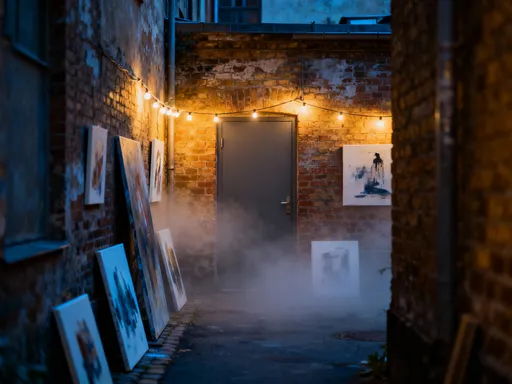
One of the most enchanting discoveries in Copenhagen is the network of hidden courtyard galleries tucked within the lively neighborhood of Nørrebro. These secluded spaces, often invisible from the street, are accessed through unmarked doors, narrow passageways, or unassuming stairwells leading into inner courtyards. Once inside, visitors are greeted by intimate exhibition spaces where local artists showcase paintings, ceramics, textiles, and multimedia installations. These courtyards function as both creative studios and informal galleries, operating on a rotating basis with new shows every few weeks. What makes them particularly special is their atmosphere—quiet, unpretentious, and deeply human.
Nørrebro has long been one of Copenhagen’s most diverse districts, home to residents from dozens of national backgrounds and a thriving community of creatives. The courtyard galleries embody this spirit of inclusivity, often serving as platforms for underrepresented voices, including immigrant artists and young graduates from the Royal Danish Academy of Fine Arts. Exhibitions here rarely follow commercial trends; instead, they explore personal narratives, cultural memory, and social observation. A recent show featured hand-stitched quilts depicting family histories from Turkey, Lebanon, and Somalia, while another displayed abstract sculptures made from recycled materials collected in the neighborhood. These works don’t aim to impress—they aim to connect.
Visiting these spaces feels less like attending a formal gallery opening and more like being invited into someone’s creative world. Artists are often present, happy to discuss their process, inspirations, and challenges. Some courtyards host weekend events with live music, poetry readings, or pop-up food stalls, turning the experience into a full cultural immersion. Because these venues are community-based, they rely on word-of-mouth promotion and social media announcements, which adds to their exclusivity. There’s no admission fee, no security guards, and no pressure to behave a certain way—just genuine artistic exchange.
To find them, it helps to explore Nørrebro on foot, paying attention to subtle clues: a colorful mural on a side wall, a hand-painted sign pointing toward a courtyard, or the sound of music drifting from an open window. Many of these spaces participate in citywide events like Open House Copenhagen or Culture Night, when hundreds of private studios and hidden venues open their doors to the public. For travelers, timing a visit around these events dramatically increases the chances of discovering these gems. Even outside special occasions, a curious eye and respectful demeanor can lead to unexpected invitations. The key is to move slowly, observe closely, and approach each space with openness rather than expectation.
Christiania’s Controversial Canvas: Art as Rebellion
Freetown Christiania stands as one of Copenhagen’s most iconic—and polarizing—cultural experiments. Established in 1971 when activists occupied an abandoned military base, this self-governed neighborhood has evolved into a living canvas of countercultural expression. While often associated with its relaxed stance on cannabis, Christiania’s true significance lies in its role as a sanctuary for unregulated artistic freedom. Every wall, fence, and rooftop bears traces of this ethos, covered in murals, mosaics, graffiti, and sculptural assemblages that reflect decades of political dissent, utopian dreams, and collective identity.
The art of Christiania is inseparable from its history. From the beginning, residents used visual expression as a tool for defining their space and asserting autonomy. Early murals depicted anti-war messages, environmental warnings, and visions of communal living. Over time, the aesthetic evolved, incorporating surreal imagery, psychedelic patterns, and symbolic references to freedom and resistance. Some pieces are meticulously painted, while others emerge spontaneously—ephemeral interventions that appear overnight and may vanish just as quickly. This impermanence is part of the experience; art here is not meant to last forever, but to provoke thought, spark conversation, and reflect the ever-changing nature of the community.
Walking through Christiania feels like stepping into a living museum of grassroots creativity. The main drag, Pusher Street, is lined with bold, large-scale murals, many of which carry strong social commentary. One famous piece shows a child holding a key, symbolizing the handing down of ideals to future generations. Another portrays a tree growing through cracked concrete, representing resilience and renewal. Beyond the walls, found-object sculptures made from scrap metal, broken glass, and discarded furniture dot the landscape, turning waste into art. Even the buildings themselves become part of the installation, with hand-carved doors, painted shutters, and rooftop gardens contributing to the overall aesthetic.
For visitors, engaging with Christiania’s art requires sensitivity and awareness. Photography is permitted in public areas, but flash and close-ups of people are discouraged unless permission is given. Some zones are private, marked by signs or fences, and should be respected as such. While the area is generally safe and welcoming, it remains a self-governing entity with its own rules and values. Tourists are encouraged to observe quietly, ask questions politely, and avoid treating the space as a theme park. By approaching Christiania with respect, visitors gain access to a rare form of artistic expression—one that exists not for profit or prestige, but as an act of collective belief in freedom, creativity, and alternative ways of living.
The Hidden Studios of Refshaleøen
Just a short bike ride from central Copenhagen, the island of Refshaleøen has undergone a remarkable transformation over the past two decades. Once home to Burmeister & Wain, one of Denmark’s largest shipyards, the area now serves as a dynamic hub for artists, designers, and makers. The massive industrial buildings that once echoed with welding and machinery now house studios, workshops, and experimental performance spaces. This post-industrial landscape provides an ideal environment for large-scale art projects, immersive installations, and interdisciplinary collaborations that require space, flexibility, and a tolerance for messiness.
What makes Refshaleøen especially exciting is its openness to unconventional practices. Sculptors work with metal, wood, and reclaimed materials; sound artists build custom instruments and recording studios; performance groups rehearse in cavernous halls with high ceilings and natural light. Many of these studios are not permanently open to the public, operating instead during open house weekends, art fairs, or by appointment. When accessible, they offer a rare glimpse into the creative process—raw, unfiltered, and deeply personal. Visitors might watch a glassblower shape molten material, see a textile artist dye fabric using natural pigments, or listen to a composer test a new electronic piece in a repurposed engine room.
One of the most notable venues on the island is Overgaden’s project space, which supports experimental exhibitions by emerging Danish and international artists. Another is Kunsthal Charlottenborg’s satellite studio program, which provides residencies for artists working on ambitious, site-specific projects. Independent collectives also thrive here, such as those focused on eco-art, digital fabrication, or community-based storytelling. These groups often collaborate across disciplines, blurring the lines between visual art, theater, music, and technology. The atmosphere is collaborative rather than competitive, shaped by a shared commitment to exploration and innovation.
For travelers planning a visit, timing is essential. Most studios open to the public during major cultural events like Copenhagen Art Week or the Distortion festival, when guided tours, artist talks, and interactive installations are available. Outside these periods, some spaces welcome visitors by prior arrangement, especially if contacted through official websites or social media. Navigation can be challenging—the island is sprawling, with few signs and a maze-like layout—so downloading a map or joining a guided tour is advisable. Comfortable shoes, a sense of adventure, and a willingness to embrace the unexpected are equally important. Refshaleøen isn’t about polished finishes or curated experiences; it’s about witnessing creativity in motion, in all its complexity and beauty.
Street Art Beyond Instagram: Meaning in the Murals
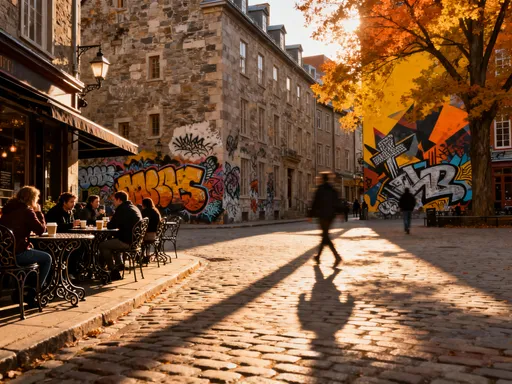
Copenhagen’s street art is often celebrated for its visual impact, drawing photographers and influencers to iconic spots like the walls of Christiania or the alleys of Vesterbro. Yet behind the striking colors and intricate designs lies a deeper layer of meaning. Much of the city’s public art engages with pressing social issues—climate change, immigration, gender equality, urban development—using symbolism, satire, and storytelling to provoke reflection and dialogue. Unlike commercial murals commissioned for decoration, many of these works are unsanctioned, created by artists who see the city as a platform for civic engagement.
In Vesterbro, for example, a large mural by Danish artist Shai Dahan depicts a runner mid-stride, symbolizing resilience and forward movement. Painted in muted earth tones, the piece was created in response to rising housing prices and displacement in the neighborhood. Nearby, a stencil work by international street artist Blek le Rat shows a child holding a bouquet of flowers made from barbed wire, commenting on the tension between innocence and urban violence. These images don’t just beautify the streets—they challenge viewers to consider the realities behind the city’s polished exterior.
Further north in Østerbro, a series of murals by female artists explores themes of identity and visibility. One powerful piece portrays a woman’s face composed entirely of fragmented mirrors, reflecting the viewer no matter where they stand. The artist intended it as a statement on self-perception and the pressure to conform to societal standards. Another mural in Nørrebro, created collaboratively by local youth and professional artists, features a tree with roots shaped like hands reaching into the ground, symbolizing community strength and intergenerational connection.
For those interested in exploring these works beyond surface-level appreciation, a self-guided walking route offers a meaningful way to engage. Starting in Vesterbro, the path moves through Nørrebro and into parts of Østerbro, highlighting key murals while providing context through audio guides or printed materials available at local cafes and libraries. The goal isn’t to check off photo opportunities, but to understand the stories behind the art. This kind of mindful exploration transforms a casual stroll into a journey of insight, connecting travelers with the values, struggles, and hopes of Copenhagen’s residents. Street art, in this light, becomes not just decoration, but a form of public conversation—one that continues to evolve with the city itself.
Cultural Timing: When Art Comes Alive
One of the best-kept secrets among Copenhagen locals is that the city’s most exciting art experiences are often time-bound. While galleries and museums maintain regular hours, many of the hidden, experimental, and community-driven spaces only reveal themselves during specific festivals and seasonal events. Timing a visit around these occasions unlocks access to private studios, pop-up exhibitions, and late-night cultural happenings that redefine the rhythm of city life. Among the most significant is Copenhagen Art Week, held annually in August, when hundreds of independent spaces open their doors to the public. For one week, the boundaries between private and public, professional and amateur, dissolve, creating a citywide celebration of creative freedom.
During Art Week, visitors can attend guided tours of artist studios in Refshaleøen, participate in workshops in Nørrebro’s courtyard galleries, or attend site-specific performances in abandoned buildings. The event is carefully curated but retains a grassroots spirit, emphasizing discovery and interaction over formal presentations. Another major highlight is the Distortion festival, a week-long urban party that blends music, dance, street food, and art across multiple neighborhoods. Known locally as “Disto,” the festival transforms ordinary streets into vibrant cultural zones, with impromptu art installations, live painting sessions, and projection mapping on building facades. What makes Distortion unique is its emphasis on participation—locals and visitors alike are encouraged to join parades, contribute to collaborative murals, or simply dance in the streets until dawn.
Other notable events include Open House Copenhagen, when architectural landmarks and private studios welcome guests, and Culture Night (Kulturnatten), a single evening each year when museums, theaters, and hidden venues stay open late with special programming. These events are not just tourist attractions; they are deeply embedded in the city’s cultural calendar, supported by municipal funding and organized in partnership with local communities. They reflect a Danish belief in cultural accessibility—that art should be free, inclusive, and available to everyone, regardless of background or status.
For travelers, planning a trip around these events dramatically enhances the chances of encountering Copenhagen’s hidden art scenes. Even outside major festivals, smaller openings, studio tours, and neighborhood markets occur regularly, often announced through community boards or social media. Subscribing to newsletters from local art organizations or following independent galleries online can provide valuable updates. The key is to remain flexible and open-minded, embracing the idea that some of the best experiences happen not by design, but by serendipity. When art comes alive in Copenhagen, it does so with energy, warmth, and a deep sense of belonging.
How to Explore Like a Local: Etiquette & Access
Discovering Copenhagen’s secret art spots requires more than a map or a list of addresses—it demands curiosity, respect, and a willingness to slow down. These spaces are not tourist attractions in the conventional sense; they are living parts of the city’s cultural ecosystem, often fragile and dependent on community support. Entering them without awareness can disrupt the very intimacy that makes them special. Therefore, understanding local etiquette is essential for meaningful and responsible exploration.
First and foremost, always seek permission before entering private or semi-private spaces. Many studios and courtyards are located in residential buildings or shared compounds, and while signs may invite visitors during certain hours, unannounced intrusion is considered disrespectful. When in doubt, look for posted notices, ring a doorbell, or ask a nearby resident for guidance. If an event is advertised, arrive on time and follow any instructions regarding behavior, noise levels, or photography. In many spaces, flash photography is discouraged, especially when artists are working or when the setting is dimly lit for atmospheric effect.
Engaging with artists should be done with genuine interest, not as a means to an end. Instead of asking, “How much does this cost?” try, “What inspired this piece?” or “How long did it take to create?” These questions open the door to conversation and show appreciation for the creative process. If you wish to support the artist, consider purchasing a small work, making a donation, or sharing their work on social media—with credit. Many artists operate without commercial galleries, so word-of-mouth remains one of the most valuable forms of promotion.
Finally, remember that preservation begins with mindfulness. Avoid touching artworks unless invited, refrain from leaving litter, and be considerate of shared spaces. These venues thrive because of trust and mutual respect; by honoring that, visitors become part of the community, even if only for a short time. Exploring like a local means valuing depth over speed, connection over consumption, and quiet observation over loud assertion. In doing so, travelers don’t just see art—they become part of its story.
Copenhagen’s true artistic magic lies not in its galleries, but in the hidden corners where creativity breathes freely. By stepping off the beaten path, travelers gain more than photos—they connect with stories, struggles, and visions that shape the city’s soul. The next time you visit, look beyond the guidebooks. The art is waiting, quietly, in the shadows.