You Gotta See How Wales Turns Cities into Living Art
Wales, UK, isn’t just castles and mountains—its cityscapes are quietly stunning. I was blown away by how urban life here blends with nature, history, and creativity. From vibrant street art to skyline views along riverbanks, every city tells its own story. This isn’t your typical guide. It’s a real look at how Welsh cities surprise you when you least expect it. Trust me, you’ve been sleeping on this.
Why Wales’ Cityscapes Surprise First-Time Visitors
When most travelers think of Wales, they picture rugged mountain trails, ancient stone ruins, and coastal footpaths winding through sea mist. What they don’t expect is how its cities seamlessly carry that same spirit of beauty and resilience into urban life. Far from being overlooked or industrial afterthoughts, Welsh cities like Cardiff, Swansea, and Wrexham offer a rare balance—compact enough to navigate on foot, yet rich with cultural depth, architectural contrast, and natural framing that few other UK urban centers can match. These are not sprawling metropolises where steel and glass dominate. Instead, they are human-scaled places where red-brick Victorian warehouses stand beside sleek modern developments, and where green hills rise just beyond the rooftops, reminding visitors that nature is never far away.
What makes these cityscapes so striking is their ability to feel alive without feeling overwhelming. In Cardiff, for instance, you can walk from a medieval castle to a contemporary waterfront performance venue in under half an hour. In Swansea, the echo of its industrial past lingers in repurposed docklands now filled with cafes and galleries, while the Gower Peninsula’s protected coastline glows just beyond the bay. Even in smaller urban centers like Newport or Bangor, there’s a sense of intentional design—where architecture, green space, and public art come together to create environments that invite exploration, not escape. The surprise for first-time visitors isn’t just aesthetic—it’s emotional. There’s a quiet rhythm to daily life here, a pace that allows you to absorb details rather than rush past them.
This harmony between urban energy and natural calm didn’t happen by accident. It’s the result of decades of thoughtful regeneration, community engagement, and a deep respect for local identity. Unlike larger cities where development often erases history, Welsh urban planning tends to layer the old with the new. You’ll find street art painted on centuries-old stone walls, or modern apartment buildings designed to complement—never overshadow—historic skylines. This sensitivity to scale and context gives each city a layered identity, one that feels authentic rather than curated for tourists. For the discerning traveler, especially those who value both culture and tranquility, Wales’ cities offer something increasingly rare: urban life that nurtures the soul as much as it stimulates the senses.
Cardiff: Where Capital Energy Meets Coastal Calm
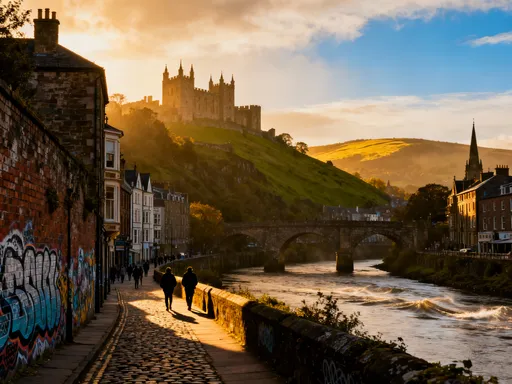
As the capital of Wales, Cardiff carries the weight of national identity without the frenetic pace of other European capitals. It is a city that wears its roles lightly—serving as a political hub, cultural heartbeat, and seaside retreat all at once. The skyline tells this story clearly: Cardiff Castle, with its imposing Norman keep and Gothic revival towers, stands at the city’s core, while just a few miles away, the glass-and-steel BBC Cymru Wales building reflects the sunlight along the waterfront. This visual contrast is more than architectural—it’s symbolic. Cardiff honors its past while confidently moving into the future, and nowhere is this balance more evident than in the transformation of Cardiff Bay.
Once a bustling but decaying dockland, Cardiff Bay has been reimagined as a vibrant waterfront destination. The barrage that spans the mouth of the River Taff controls tidal flow and created a permanent freshwater lake, making the area ideal for walking, cycling, and outdoor dining year-round. Along the promenade, the Wales Millennium Centre stands as a crown jewel of modern Welsh culture. Its curved stone façade is inscribed with quotes in both Welsh and English, including the powerful phrase “In These Stones Horizons Sing”—a poetic nod to the nation’s creative spirit. Inside, the venue hosts opera, dance, theater, and music performances, drawing both local audiences and international acts.
Yet for all its modernity, Cardiff remains deeply rooted in everyday life. The city center buzzes with independent boutiques, bookshops, and multicultural restaurants—from Caribbean curry houses to authentic Welsh bakeries serving bara brith and Welsh cakes. The arcades that crisscross the commercial district are themselves historic treasures, their glass ceilings filtering sunlight onto mosaic floors and boutique storefronts. These covered walkways, dating back to the Victorian and Edwardian eras, create a unique shopping experience that feels intimate and timeless. And because the city is so compact, you can easily combine a morning coffee in the castle grounds with an afternoon stroll along the bay and an evening meal in one of the many waterfront restaurants offering fresh seafood with views of the Severn Estuary.
What truly sets Cardiff apart is its accessibility. Unlike larger capitals where you need a car or extensive transit knowledge to get around, Cardiff rewards walking. The flat terrain and well-marked paths make it ideal for families, older travelers, and anyone who prefers to explore at a relaxed pace. Public transport is reliable, with frequent buses and trains connecting the city to surrounding towns and natural attractions. For those seeking a blend of urban convenience and coastal serenity, Cardiff offers a rare equilibrium—one where government buildings sit comfortably beside seaside parks, and history feels not like a museum exhibit, but a living, breathing part of daily life.
Swansea: Sunsets, Steel, and Seafront Revival
If Cardiff represents Wales’ political and cultural heart, Swansea embodies its industrial soul—and its remarkable capacity for reinvention. Nestled along the sweeping curve of Swansea Bay, this coastal city has long been shaped by the sea. In the 19th and early 20th centuries, it was a global hub for copper smelting and coal shipping, earning the nickname “Copperopolis.” While those industries have faded, their legacy remains in the city’s architecture, street names, and community pride. Today, Swansea is undergoing a quiet renaissance, transforming its post-industrial landscape into a place of beauty, innovation, and connection to nature.
One of the most iconic experiences in Swansea is watching the sunset from the Kilvey Hill viewpoint. As the sun dips below the horizon, the sky ignites in shades of amber, rose, and gold, casting a warm glow over the city and the Bristol Channel beyond. This daily spectacle draws locals and visitors alike, many of whom hike or drive up the hill for the panoramic perspective. From this vantage point, you can see the modern Liberty Stadium, home to Swansea City Football Club, standing beside the National Waterfront Museum—a striking building that chronicles Wales’ industrial and technological history. The contrast between old and new, nature and urban development, is both dramatic and harmonious.
The Maritime Quarter, once a working dock, now thrives as a cultural and residential hub. Restored warehouses house art galleries, independent cafes, and boutique apartments, while the waterfront path invites leisurely walks or bike rides with uninterrupted sea views. The area hosts regular farmers’ markets, live music events, and seasonal festivals, fostering a strong sense of community. Nearby, Singleton Park and its botanical gardens offer 250 acres of green space, where families picnic, students study, and dog walkers stroll beneath ancient trees. The park also houses the Swansea Museum, the oldest in Wales, which traces the city’s evolution from a small fishing village to an industrial powerhouse.
What makes Swansea’s revival so inspiring is its authenticity. This isn’t a city trying to mimic London or Manchester—it’s embracing its own identity. The local government has invested in sustainable development, including solar energy projects and coastal protection initiatives, ensuring that growth doesn’t come at the expense of the environment. The city’s commitment to public art is also evident, with murals and sculptures scattered throughout neighborhoods, often telling stories of resilience, labor, and community. For travelers who appreciate cities with character and heart, Swansea offers a deeply rewarding experience—one where history isn’t buried but celebrated, and where the sea continues to shape life in profound ways.
Smaller Cities That Punch Above Their Weight
While Cardiff and Swansea often take the spotlight, some of Wales’ most memorable urban experiences can be found in its smaller cities. Places like Newport and Bangor may not appear on every tourist itinerary, but they deliver a level of charm, authenticity, and scenic beauty that rivals their larger counterparts. These cities prove that in Wales, size doesn’t determine significance. Instead, it’s the relationship between people, place, and landscape that defines a city’s character.
Newport, situated along the River Usk just a short train ride from Cardiff, has undergone a remarkable transformation in recent decades. Once known primarily for its steelworks and transportation links, the city has reimagined its riverfront as a destination in its own right. The Newport City Bridge, with its illuminated arches, creates a striking nighttime silhouette, while the glazed Riverfront Theatre and arts center hosts performances that draw audiences from across South Wales. Along the Usk Promenade, walking and cycling paths wind past wetlands teeming with birdlife, blending urban life with ecological awareness. New residential towers reflect in the slow-moving river, their modern lines contrasting with the historic castle ruins nearby. For visitors, Newport offers a chance to experience Welsh city life without the crowds—ideal for those who want to mingle with locals, enjoy affordable dining, and explore a place that’s proud of its comeback story.
In North Wales, Bangor presents a different kind of urban charm. Nestled between the Menai Strait and the foothills of Snowdonia, this compact city is home to one of the UK’s oldest universities, giving it a vibrant academic atmosphere. The skyline is framed by the spire of Bangor Cathedral, a site of Christian worship for over 1,500 years, and the surrounding streets are lined with bookshops, cafés, and student-run music venues. From the city’s higher points, views stretch across the strait to the island of Anglesey and the mountains beyond. Despite its small size, Bangor offers rich cultural programming, including the annual Faenol Festival, which celebrates Welsh music and language.
What unites these smaller cities is their integration with the natural world. In Newport, the river is not a boundary but a connector. In Bangor, the mountains are not distant scenery but a daily presence. These cities don’t try to wall themselves off from nature—they invite it in. Green spaces are prioritized, public transport is accessible, and urban development is carefully scaled to preserve views and historical landmarks. For travelers seeking a more intimate, reflective experience, these cities offer a refreshing alternative to the bustle of larger destinations. They remind us that urban life doesn’t have to mean noise, congestion, or impersonal spaces—sometimes, the most meaningful connections happen in the quiet corners of a country’s map.
How to Experience the Cityscape Like a Local
To truly appreciate the character of Welsh cities, it helps to slow down. Locals rarely rush from landmark to landmark. Instead, they engage with their surroundings at a gentle pace—walking to work, cycling along river paths, or taking short train trips to nearby hills or beaches. One of the best ways to experience a city like Cardiff or Swansea is to follow a “skyline stroll”—a self-guided route that begins at a high vantage point and descends into the urban core. Start at a hilltop park or viewpoint, take in the panorama, then walk down through residential streets, past corner shops and community gardens, until you reach the city center. This kind of journey offers not just visual variety but a deeper understanding of how people live.
Cafés play a central role in daily life, especially those located near cathedral squares, market halls, or riverbanks. Sitting with a cup of tea and a slice of homemade cake allows you to observe the rhythm of the city—the schoolchildren on their way home, the elderly couple sharing a newspaper, the artist sketching the skyline. These moments of stillness are part of the Welsh urban experience. Public transport is another key to authenticity. Trains and buses in Wales are reliable, affordable, and well-connected, making it easy to visit multiple cities in a single trip. A day could begin in Cardiff, include a midday walk in Newport, and end with sunset views in Swansea—all without needing a car.
For families and older travelers, this ease of movement is a major advantage. Parking in city centers can be limited and expensive, and many of the best areas—like Cardiff’s arcades or Swansea’s Maritime Quarter—are best explored on foot. Local tourism offices often provide free walking maps and audio guides, highlighting historical facts, architectural details, and hidden gems like tucked-away gardens or street art installations. Engaging with these resources adds depth to your visit and supports community-led initiatives. Above all, the local way of experiencing a city is about presence—taking time to notice the details, talk to residents, and let the place reveal itself gradually.
The Role of Art, Nature, and Architecture in Shaping the Look
What ties together the cityscapes of Wales is a shared philosophy: that urban spaces should be beautiful, functional, and meaningful. This vision is expressed through three key elements—public art, green infrastructure, and thoughtful architecture. Unlike in some cities where development prioritizes profit over people, Welsh urban planning often emphasizes harmony, sustainability, and cultural expression. The result is a series of cities that feel cohesive, welcoming, and deeply rooted in their surroundings.
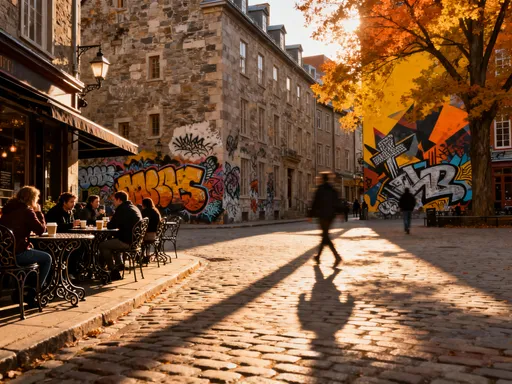
Public art in Wales is not an afterthought—it’s a form of storytelling. In Cardiff, murals in the city’s arcades depict historical figures, mining heritage, and Welsh legends. In Swansea, large-scale installations along the seafront honor the city’s industrial past and maritime connections. These works are often created in collaboration with local artists and community groups, ensuring they reflect authentic voices rather than tourist clichés. Street art is permitted and even encouraged in designated zones, giving emerging artists a platform while adding color and energy to urban spaces.
Nature is equally integral. Bute Park in Cardiff, once part of a grand estate, is now a 130-acre green oasis with tree-lined avenues, flower gardens, and river access. In Swansea, Singleton Park serves a similar role, offering residents and visitors a place to reconnect with the natural world. These spaces are not just decorative—they are essential to the city’s identity, providing clean air, recreational opportunities, and habitats for wildlife. Urban planners work to ensure that new developments include green roofs, rain gardens, and tree planting, reinforcing the idea that nature belongs in the city, not just outside it.
Architecture in Welsh cities respects scale and history. New buildings are typically designed to complement existing skylines rather than dominate them. Glass facades are used thoughtfully, often with patterns inspired by Welsh textiles or geology. Historic structures are preserved and repurposed—old churches become performance spaces, warehouses become homes. This approach creates a visual rhythm that feels balanced and intentional. There’s no jarring clash of styles, no sense of chaos. Instead, there’s a quiet confidence in what the city is and what it can become. For travelers who value beauty with substance, this attention to detail makes Welsh cities not just pleasant to visit, but meaningful to remember.
Final Thoughts: Why Welsh Cities Deserve a Closer Look
Wales’ cities challenge the assumption that urban life must be loud, fast, or impersonal. They prove that a city can be vibrant without being overwhelming, historic without being stuck in the past, and modern without losing its soul. From the reflective waters of Cardiff Bay to the sunset views over Swansea and the mountain-framed streets of Bangor, these urban centers offer a different kind of travel experience—one defined by balance, beauty, and a deep connection to place.
They are not mere gateways to the countryside, nor are they afterthoughts on a Welsh itinerary. They are destinations in their own right, where culture, creativity, and community thrive. Whether you’re drawn to waterfront walks, architectural contrasts, or the simple pleasure of a quiet café with a view, Welsh cities deliver. They invite you to look closer, walk slower, and listen to the stories embedded in their streets and skylines.
For the 30- to 55-year-old traveler—often balancing curiosity with comfort, adventure with authenticity—Wales’ cities offer a rare gift: the chance to explore without exhaustion, to be inspired without overwhelm. They remind us that the best urban environments are not the biggest or busiest, but the ones that allow you to breathe, reflect, and feel at home. So next time you plan a trip to the UK, don’t just head for the hills. Take a moment to see how Wales turns its cities into living art. You might find that the most beautiful views aren’t just from the mountaintops—but from the heart of the city.