What Maafushi’s Cityscape Revealed About Island Shopping – You Gotta See This
When I landed in Maafushi, I expected white sand and turquoise waves—but not the vibrant local cityscape hiding behind the palm trees. Instead of just resorts, I found narrow lanes buzzing with life, where shopping isn’t about malls, but about real moments. From handwoven souvenirs to street vendors grinning under sun-bleached awnings, every purchase told a story. This isn’t just retail—it’s cultural connection. Let me take you through the heart of Maafushi’s authentic island economy, where every corner holds a small surprise.
First Impressions: Beyond the Postcard – The Real Face of Maafushi
Stepping off the speedboat onto Maafushi’s dock, the first thing that strikes you is the hum of daily life. Unlike the silent luxury of private resort islands, Maafushi greets visitors with the clatter of motorbikes, the scent of grilled fish, and children calling out hello as they walk home from school. This isn’t a destination staged for postcards—it’s a living, breathing community where tourism blends with tradition. The island, just 1.5 kilometers long and half a kilometer wide, pulses with energy, its compact layout making every step a discovery.
The journey to Maafushi itself sets the tone. After a seaplane ride over endless sapphire atolls, the final leg is a shared speedboat from Malé, the capital. That transition—from the polished corridors of international transit to the open-air dock with its brightly painted wooden signs—is symbolic. You’re no longer just a guest in a bubble; you’ve entered the rhythm of island life. And that rhythm is most vividly felt in the cityscape, where coral stone homes stand beside bright blue shops, and laundry lines stretch between palm trees like island banners.
Visitors often arrive expecting seclusion, but Maafushi offers something richer: authenticity. The island’s layout is a maze of narrow, sun-drenched lanes that wind past homes with hand-carved doors and open storefronts selling everything from flip-flops to fresh coconuts. There are no grand shopping arcades, no luxury boutiques—just a network of small businesses woven into the fabric of daily life. This is not a tourist zone carved out of reality; it’s reality, shared generously with those who come to see it.
Why Local Shopping Matters – More Than Just Souvenirs
Every time you buy a woven mat or a hand-painted T-shirt from a Maafushi vendor, you’re doing more than acquiring a keepsake—you’re supporting a family. Unlike resort islands where profits often flow to international chains, spending on local islands like Maafushi goes directly into the community. This shift from resort-based tourism to community-based engagement is transforming how travelers experience the Maldives, and how islanders benefit from it.
Local shopping sustains livelihoods in a place where opportunities are limited by geography. With no large-scale agriculture or manufacturing, small retail and tourism services are among the few reliable income sources. When you purchase from a street vendor instead of a resort gift shop, your money helps pay for school supplies, medical care, or home repairs. It’s a form of ethical travel that doesn’t require grand gestures—just mindful choices.
Moreover, supporting local artisans helps preserve cultural traditions. Weaving, wood carving, and fabric printing are skills passed down through generations, but they risk fading without demand. By valuing handmade goods over mass-produced imports, travelers help keep these crafts alive. It’s a quiet act of cultural preservation—one that doesn’t require speeches or donations, just attention and appreciation.
This kind of engagement also fosters sustainability. When tourism dollars stay within the community, there’s greater incentive to protect the environment and maintain infrastructure. Locals aren’t just hosting tourists—they’re investing in their future. And as a visitor, knowing your presence contributes positively adds depth to the journey. It transforms a holiday into a meaningful exchange, where connection is measured not in likes or photos, but in real human impact.
The Heart of the Cityscape – Exploring Maafushi’s Main Street
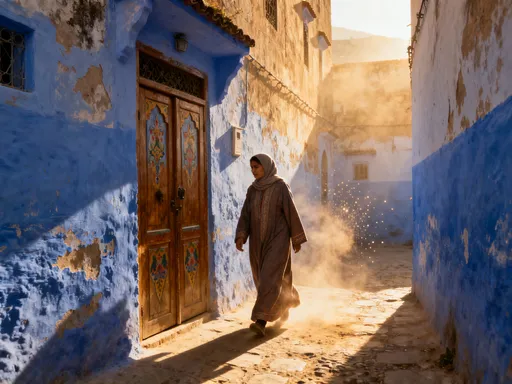
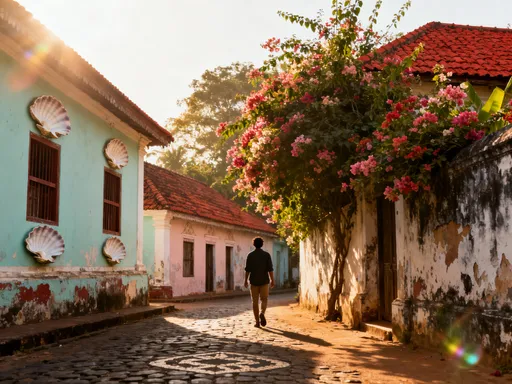
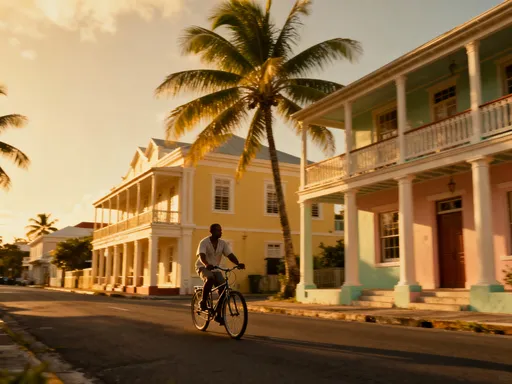
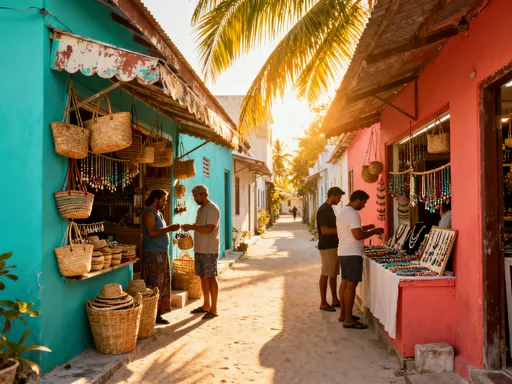
If Maafushi has a pulse, it beats along its main street—a lively corridor that runs the length of the island like a spine. This isn’t a wide boulevard, but a narrow strip flanked by low-rise buildings painted in faded pinks, blues, and yellows. Here, shops open directly onto the path, their thresholds marked by coir mats and hand-lettered signs. The air carries the mingling scents of sandalwood, fried snacks, and sea salt, while the soundtrack is a blend of chatter, ringing bicycle bells, and the occasional call to prayer.
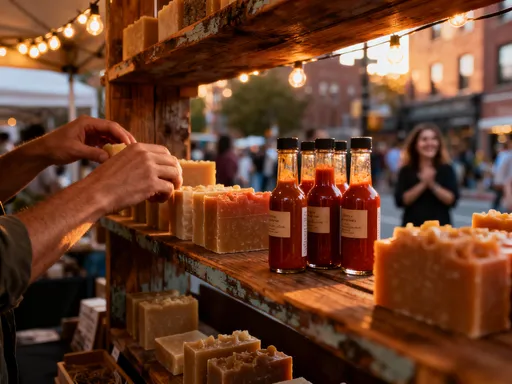
Walking this stretch feels like stepping into a living marketplace, where commerce and community are inseparable. Family-run boutiques display rows of sarongs, shell jewelry, and wooden figurines. Some shops are no bigger than a closet, yet they overflow with character—hand-painted price tags, shelves made from repurposed fishing crates, and owners who greet you like an old friend. Others are convenience stores doubling as coffee spots, where locals sip sweet milky tea while flipping through newspapers.
What stands out is the blend of function and charm in the architecture. Buildings are designed for the tropics—high ceilings for airflow, louvered windows, and shaded verandas. Many shopfronts use recycled materials: coral stone walls, driftwood beams, and roofing made from salvaged metal sheets painted in bright colors. There’s no architectural master plan, yet the result is cohesive—a streetscape that feels both practical and personal, shaped by necessity and pride.
Even the layout encourages interaction. With no cars allowed, the street belongs to pedestrians, cyclists, and the occasional goat. Vendors step outside to chat, children dart between stalls, and travelers pause to examine hand-stitched bags or sample fresh jackfruit. This isn’t a place to rush through; it’s a place to linger, to let the rhythm of the island slow you down. And in that slowness, you begin to see shopping not as a transaction, but as a conversation.
What to Buy (and What to Skip) – A Real Talk Guide
Navigating Maafushi’s retail scene can be overwhelming, especially when every stall seems to offer something unique. But not all souvenirs are created equal. The most meaningful purchases are those rooted in local craft and culture—items that reflect the island’s identity rather than generic tourist tastes. Handwoven baskets made from palm fronds, for example, are both beautiful and functional, often crafted by elders using techniques unchanged for decades.
Another standout is recycled coral jewelry. While real coral harvesting is banned in the Maldives, artisans create stunning pieces using fossilized or reclaimed fragments, embedding them in resin or silver settings. These pieces carry a story of environmental awareness and artistic ingenuity. Similarly, hand-painted fabric panels featuring marine motifs—dolphins, sea turtles, reef fish—are unique to Maafushi and make for striking wall art or scarves.
On the other hand, there are items best left on the shelf. Mass-produced trinkets imported from elsewhere—plastic keychains, generic T-shirts with cartoonish island slogans—add little value and often undercut local makers. They may be cheaper, but they lack soul. Worse, buying them signals to vendors that authenticity isn’t valued, which can shift supply away from traditional crafts.
When shopping, polite bargaining is expected, but it should be respectful. Start by asking the price, then offer 10–15% less if it seems high. A smile and a light tone go a long way. More importantly, take a moment to examine the item. Are the stitches even? Is the paint hand-applied? Does the vendor speak knowledgeably about how it was made? These small signs help distinguish genuine craftsmanship from imitation. And when in doubt, ask—most artisans are proud to share their process, and that conversation often becomes the most memorable part of the purchase.
Hidden Retail Gems – Off-the-Beaten-Path Shopping Experiences
Beyond the main street, Maafushi reveals quieter, more intimate shopping experiences. Tucked down side lanes or just behind guesthouses, you’ll find home-based vendors operating out of shaded courtyards or open-air pavilions. These aren’t formal stores, but extensions of family life—where a mother sells embroidered napkins between cooking meals, or a grandfather displays carved wooden fish near his hammock.
One such discovery was a small courtyard where a woman named Aminath displayed rolls of hand-printed fabric. Using natural dyes and wooden blocks carved with geometric patterns, she creates textiles that reflect Maafushi’s cultural blend of South Indian, Sri Lankan, and Arab influences. Her designs—spirals, waves, and stylized palms—are not sold in any shop, only through word of mouth or chance encounters. Buying a length of her fabric felt less like shopping and more like receiving a gift.
Another gem is the pop-up stalls that appear in the late afternoon near the harbor. Fishermen returning from the day’s catch often sell small carvings or shell decorations they’ve made during quiet hours at sea. These items—simple, unpolished, deeply personal—carry the essence of island life. One man offered keychains made from repurposed fishing floats, painted with tiny sea creatures. He didn’t speak much English, but his pride in his work was evident in the careful brushstrokes and the way he wrapped each piece in banana leaf.
These moments transform shopping from a checklist into a journey of connection. You’re not just acquiring objects; you’re witnessing creativity in its most unfiltered form. And because these vendors aren’t catering to mass tourism, their prices are fair, their goods original, and their stories genuine. Finding them requires curiosity and a willingness to wander, but the rewards are immeasurable—a deeper understanding of Maafushi, one quiet interaction at a time.
Practical Tips for Smart & Respectful Shopping
To make the most of your shopping experience in Maafushi, a few practical considerations can go a long way. First, timing matters. The island heats up quickly, so mornings and late afternoons are ideal for browsing. Many shops close between 12:30 and 3:00 PM, both to avoid the midday sun and to observe prayer times. Planning your walk early ensures cooler temperatures and more open storefronts.
Cash is essential. While a few guesthouses and dive shops accept cards, the vast majority of vendors operate on a cash-only basis. Small denominations of Maldivian rufiyaa are helpful, though US dollars are widely accepted, especially for larger purchases. A typical handwoven basket might cost between $8 and $15, while a hand-painted fabric panel ranges from $20 to $40. Jewelry pieces vary, but most fall between $10 and $30, depending on materials and detail.
Dress modestly when exploring the island. Maafushi is a local community, and while tourism is welcome, respect for cultural norms is expected. Women should avoid shorts or sleeveless tops when walking through residential areas; lightweight long skirts or capris with a cover-up are ideal. Men can wear shorts but should avoid going shirtless. These small gestures show respect and often lead to warmer interactions with locals.
Finally, remember that shopping here is personal. Many vendors live above or behind their shops, and children or elders may be nearby. Speak softly, ask before taking photos, and always greet the seller before browsing. A simple “hello” in Dhivehi—“assalaamu alaikum”—opens doors more than money ever could. These courtesies aren’t just polite; they’re the foundation of trust, and they transform a simple purchase into a moment of mutual recognition.
From Purchase to Memory – How Shopping Shapes Travel Stories
Years from now, you may forget the exact shade of the ocean or the name of your guesthouse. But you’ll remember the woman who wove your basket, the fisherman who painted your keychain, the quiet courtyard where you watched fabric dry in the sun. These small, handmade items become vessels of memory—tangible links to a place and its people. A fan made from palm leaves isn’t just a way to stay cool; it’s a reminder of laughter shared in a shaded shop. A shell pendant isn’t just jewelry; it’s a symbol of connection, crafted by hands that know the sea intimately.
There’s emotional weight in buying directly from creators. You see the pride in their eyes, hear the stories behind their work, and feel the care in every stitch or brushstroke. That exchange—simple, human, unscripted—adds depth to your journey. It moves you beyond the role of observer and into that of participant. You’re not just seeing Maafushi; you’re engaging with it, supporting it, becoming part of its story, if only for a moment.
And when you carry these items home, they don’t sit forgotten in a drawer. They’re used, displayed, shared. A guest might admire your coral-inspired earrings and ask where they’re from. A child might play with a wooden fish, unaware of the miles it traveled. These objects spark conversations, keep memories alive, and quietly spread appreciation for a culture far from home. In this way, your purchases continue to give back—long after you’ve left the island.
Maafushi’s cityscape teaches a quiet but powerful lesson: that travel is not just about where you go, but how you connect. The most meaningful souvenirs aren’t the flashiest or cheapest—they’re the ones that carry a story, a face, a moment of shared humanity. And in a world where experiences are often filtered and staged, that authenticity is priceless.