Youth on Repeat: How I Rewired My Daily Routine for Ageless Energy
Aging doesn’t have to mean slowing down. After noticing fatigue, dull skin, and brain fog creeping in, I committed to a science-backed shift in habits—not quick fixes, but lasting health improvements. What if small, consistent changes could help you feel sharper, stronger, and more vibrant? This guide shares real, practical steps that made a noticeable difference in my vitality and well-being. It’s not about chasing youth, but about honoring your body with choices that support energy, clarity, and resilience. The science is clear: lifestyle plays a powerful role in how we age. And the good news? It’s never too late to begin.
The Wake-Up Call: Recognizing Early Signs of Aging
For years, I accepted tiredness, slower recovery, and mental fuzziness as normal parts of getting older. I told myself it was just life—busy schedules, growing responsibilities, the natural passage of time. But when I found myself needing an afternoon nap just to finish household tasks, or forgetting why I walked into a room, I began to wonder: was this really inevitable? These weren’t dramatic symptoms, but quiet signals that something was shifting beneath the surface.
What I didn’t realize then was that fatigue, dull skin, and occasional memory lapses aren’t just signs of aging—they’re reflections of deeper biological processes. Science shows that oxidative stress, chronic inflammation, and hormonal fluctuations begin to accelerate in midlife, often unnoticed. Oxidative stress occurs when free radicals—unstable molecules from environmental exposure and metabolism—damage cells. Inflammation, when persistent, contributes to joint stiffness, weight gain, and cognitive decline. These aren’t abstract concepts; they’re real forces shaping how we feel day to day.
The turning point came when I compared how I felt at 45 to how I felt at 35. The difference wasn’t just in energy levels, but in resilience. I used to bounce back quickly from a late night or a stressful week. Now, it took days. That’s when I understood: aging isn’t a switch that flips overnight. It’s a gradual process influenced heavily by daily choices. And while we can’t stop time, we can influence how our bodies respond to it. Recognizing these early signs wasn’t about fear—it was about empowerment. It was the first step toward reclaiming a sense of control over my health.
Many women in their 30s, 40s, and 50s experience similar shifts. Hormonal changes during perimenopause can amplify fatigue and mood swings. Metabolism slows, making weight management more challenging. Sleep quality often declines. But these changes don’t have to define the second half of life. By paying attention to the body’s signals—like persistent tiredness, difficulty concentrating, or skin that doesn’t heal as quickly—we can intervene early. The goal isn’t to resist aging, but to age well. And that starts with awareness.
Fueling from Within: Nutrition That Supports Cellular Health
Once I recognized the signs, I turned my attention to what I was eating. I didn’t want another fad diet or extreme cleanse. I wanted sustainable, science-backed changes that would support my body at the cellular level. What I discovered was that food isn’t just fuel—it’s information. Every bite sends signals to our cells, influencing everything from energy production to inflammation levels.
I began by increasing my intake of whole, nutrient-dense foods. Colorful vegetables like spinach, kale, bell peppers, and sweet potatoes became staples. These are rich in antioxidants—vitamins C and E, beta-carotene, and polyphenols—that help neutralize free radicals and protect cells from damage. Berries, especially blueberries and strawberries, became my go-to snacks. Studies have shown they support brain health and may slow cognitive decline. I also added fatty fish like salmon and sardines to my meals twice a week. These are excellent sources of omega-3 fatty acids, which reduce inflammation and support heart and brain function.
At the same time, I reduced processed sugars and refined carbohydrates. I learned about glycation—a process where sugar molecules attach to proteins like collagen and elastin, making them stiff and less functional. This contributes to wrinkles, joint stiffness, and even insulin resistance. By cutting back on sugary snacks, white bread, and sweetened drinks, I noticed my energy stabilized. No more mid-afternoon crashes. My skin also began to look clearer and more radiant. It wasn’t a dramatic transformation, but a gradual improvement that felt authentic and lasting.
I didn’t eliminate any foods completely—balance was key. I still enjoyed dark chocolate, whole grains, and occasional treats, but in moderation. What mattered most was the overall pattern. I focused on building meals around vegetables, lean proteins, healthy fats, and fiber. This kind of eating supports gut health, which is increasingly linked to immune function, mood, and even skin health. Over time, my cravings for processed foods decreased, and I found myself naturally reaching for nourishing options. Nutrition, I realized, wasn’t about restriction—it was about giving my body what it truly needed to thrive.
Move It or Lose It: The Anti-Aging Power of Movement
Exercise used to feel like a chore—a box to check, often postponed. But as I learned more about aging, I began to see movement differently. It wasn’t just about staying slim; it was about preserving strength, balance, and independence. Muscle mass naturally declines with age—a process called sarcopenia—starting as early as the 30s. Without intervention, we can lose up to 3–5% of muscle mass each decade. This doesn’t just affect appearance; it slows metabolism, increases fall risk, and makes daily tasks harder.
I started small. A 20-minute walk after dinner became my new ritual. At first, it felt like barely enough. But within weeks, I noticed subtle shifts—better sleep, improved mood, and a sense of calm. Encouraged, I added bodyweight exercises: squats, lunges, and wall push-ups. These required no equipment and could be done in my living room. Gradually, I incorporated resistance training with light dumbbells. Research shows that strength training not only builds muscle but also improves bone density, reduces inflammation, and enhances insulin sensitivity.
I also explored low-impact activities that supported joint health. Swimming became a favorite—gentle on the knees and back, yet excellent for cardiovascular fitness. Yoga helped with flexibility, balance, and breath control. I noticed I stood taller, moved with more ease, and felt less stiffness in the mornings. These weren’t just physical benefits; they translated into confidence. I felt more capable, more present in my body.
The key wasn’t intensity—it was consistency. I aimed for movement most days of the week, even if it was just 15 minutes. I listened to my body, rested when needed, and celebrated progress, not perfection. Over time, exercise shifted from a duty to a form of self-care. It became something I looked forward to, not something I avoided. And the impact on my energy levels was undeniable. I no longer felt drained by daily tasks. Instead, I felt strong, capable, and alive.
Sleep: Your Nightly Reset Button for Aging
Sleep was the area I underestimated the most. For years, I wore my busy schedule like a badge of honor, sacrificing rest to get more done. But as fatigue piled up, I realized I was paying a steep price. Poor sleep doesn’t just make you tired—it accelerates aging at the cellular level. During deep sleep, the body repairs tissues, clears metabolic waste from the brain (including proteins linked to Alzheimer’s), and balances hormones like cortisol and melatonin.
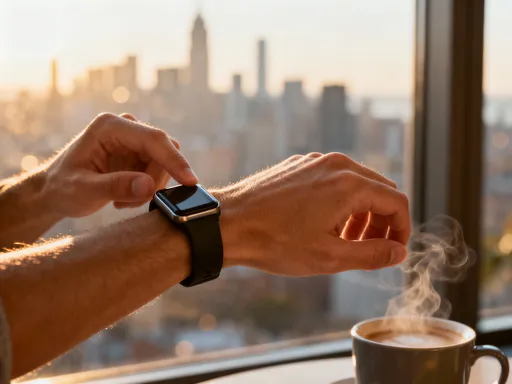
When I began tracking my sleep, I was shocked. I thought I was getting seven hours, but my sleep was fragmented—waking up multiple times, lying awake for long stretches. I wasn’t reaching the deep, restorative stages my body needed. The effects showed up in my mood, focus, and even my skin. I looked older, felt slower, and reacted more quickly to stress.
I decided to improve my sleep hygiene. I set a consistent bedtime and wake-up time, even on weekends. I created a wind-down routine: turning off screens an hour before bed, dimming the lights, and reading a book or practicing gentle stretches. I also made my bedroom a sleep sanctuary—cool, dark, and quiet. I invested in blackout curtains and a white noise machine, which helped block outside disturbances.
Within a few weeks, the changes were remarkable. I fell asleep faster, stayed asleep longer, and woke up feeling more refreshed. My mind felt sharper in the morning. I had more patience with my family and made better decisions throughout the day. I even noticed my skin looked brighter, with fewer dark circles. Sleep, I realized, wasn’t a luxury—it was a foundation. It’s during these quiet hours that the body renews itself. By prioritizing sleep, I wasn’t just resting—I was actively supporting my long-term health and vitality.
Stress Less, Live Longer: Managing Cortisol for Vitality
Stress is an unavoidable part of life, but chronic stress is a silent accelerator of aging. When stress becomes constant, the body remains in a state of high alert, flooding the system with cortisol, the primary stress hormone. In short bursts, cortisol helps us respond to challenges. But when levels stay elevated, it can impair memory, weaken the immune system, increase abdominal fat, and disrupt sleep.
I didn’t realize how much stress I was carrying until I started paying attention. The constant mental chatter, the tightness in my shoulders, the habit of eating when anxious—these were all signs. I thought I was coping, but my body was paying the price. I knew I couldn’t eliminate stress, but I could change how I responded to it.
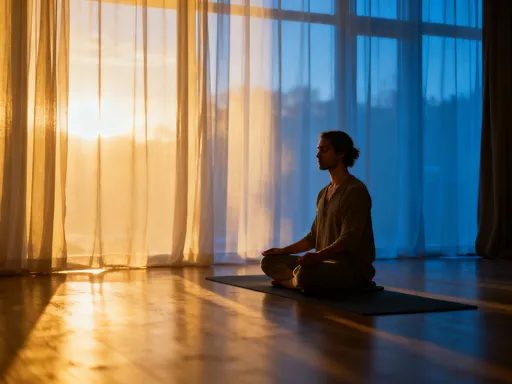
I began with mindfulness. Each morning, I spent five minutes focusing on my breath, observing thoughts without judgment. This simple practice helped me become more aware of my stress triggers and respond with greater calm. I also started journaling—writing down worries, gratitude, and reflections. This helped me process emotions and gain perspective. On particularly busy days, I used deep breathing exercises: inhaling slowly for four counts, holding for four, exhaling for six. This activates the parasympathetic nervous system, signaling the body to relax.
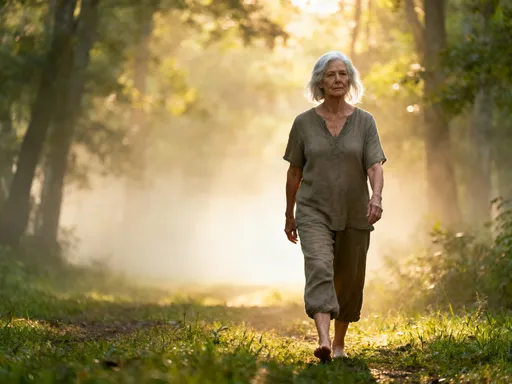
I also learned to protect my time and energy. I said no to commitments that drained me. I set boundaries around work and screen time. I made space for activities that brought me joy—walking in nature, listening to music, spending time with loved ones. These weren’t indulgences; they were essential for resilience. Over time, I noticed I reacted less impulsively to stress. I felt more grounded, more in control. Managing cortisol wasn’t about eliminating pressure—it was about building a buffer so life’s demands didn’t wear me down.
Skincare Beyond Serums: The Internal-External Connection
I used to think great skin came from expensive creams and serums. While topical products have their place, I learned that true skin health begins from within. The skin is the body’s largest organ, and it reflects what’s happening internally. Dehydration, poor nutrition, lack of sleep, and sun exposure all leave visible marks.
I started by prioritizing hydration. I aimed for eight glasses of water a day, more if I was active. I noticed my skin looked plumper, less dry, and more elastic. I also became diligent about sun protection. I wore broad-spectrum SPF 30 every day, even when it was cloudy. UV radiation is a major contributor to premature aging, causing wrinkles, sunspots, and loss of firmness. Wearing a hat and seeking shade during peak sun hours became simple, effective habits.
I also stopped smoking and reduced alcohol intake—two habits that had visibly aged my skin. Smoking reduces blood flow to the skin and breaks down collagen. Alcohol dehydrates the body and can trigger inflammation. Cutting back led to a noticeable improvement in my complexion. My skin looked clearer, with fewer redness and puffiness.
At the same time, I continued to support my skin through nutrition. Foods rich in vitamin C (like citrus and bell peppers), vitamin E (like nuts and seeds), and omega-3s (like fatty fish) helped maintain skin integrity. I also made sure to get enough protein, which provides the building blocks for collagen. Skincare, I realized, wasn’t just a surface-level routine. It was a reflection of how I treated my whole body. By combining internal care with external protection, I achieved a healthy glow that felt authentic and lasting.
Building a Sustainable Routine: Small Habits, Big Impact
The most important lesson I learned was that lasting change comes from consistency, not perfection. I didn’t transform my life overnight. I started with one small habit—drinking more water—and built from there. I used habit stacking, linking new behaviors to existing ones. For example, after brushing my teeth, I did two minutes of deep breathing. After dinner, I took a short walk. These tiny actions added up over time.
I also shifted my focus from the scale to how I felt. Energy levels, mood, sleep quality, and how my clothes fit became my true measures of progress. I celebrated non-scale victories—like climbing stairs without getting winded or finishing a project without mental fatigue. This helped me stay motivated, even on days when results weren’t visible.
I allowed myself flexibility. Some days, I missed a workout or ate something indulgent. Instead of guilt, I practiced self-compassion. I reminded myself that health is a lifelong journey, not a destination. I adjusted my routine as life changed—during busy seasons, I scaled back; when I had more time, I added new practices. This flexibility made the routine sustainable.
I also tracked progress in a journal, noting how I felt each week. This helped me see patterns and stay accountable. Over time, these small habits became automatic. They weren’t extra tasks—they became part of my identity. I wasn’t someone trying to be healthy; I was someone who lived healthily. And that made all the difference.
Aging Forward with Energy and Purpose
Feeling younger isn’t about reversing time—it’s about optimizing health so age becomes just a number. By making mindful choices every day, I’ve gained more energy, clarity, and confidence. This journey wasn’t about vanity; it was about living fully at every stage. I wanted to be present for my family, enjoy my hobbies, and face each day with vitality. And that’s exactly what I’ve found.
The changes I made weren’t drastic. They were small, science-backed steps—better nutrition, regular movement, quality sleep, stress management, and self-care. But together, they created a powerful shift. I no longer feel at the mercy of aging. I feel empowered. I understand that my daily habits shape my long-term well-being in profound ways.
For women in their 30s, 40s, and 50s, this is especially relevant. This is the time when the body begins to send clearer signals. But it’s also the perfect moment to act. The habits you build now will shape the next decades. You don’t need to overhaul your life. You just need to start—today. Choose one habit. Master it. Then add another. Progress compounds.
Aging is inevitable. But how you age is not. With the right choices, you can feel strong, sharp, and vibrant at any age. You can move with ease, think with clarity, and live with purpose. The best time to start? Now.