How I Stayed Strong After Injury: Real Talk on Physical Therapy Wins
Recovering from an injury isn’t just about healing—it’s about staying strong long after the pain fades. I learned this the hard way. Physical therapy didn’t just fix me; it taught me how to move, breathe, and live better. Through trial, small wins, and professional guidance, I discovered simple but powerful habits that support lasting health. This is what actually worked for me—and what might help you too.
The Moment Everything Changed
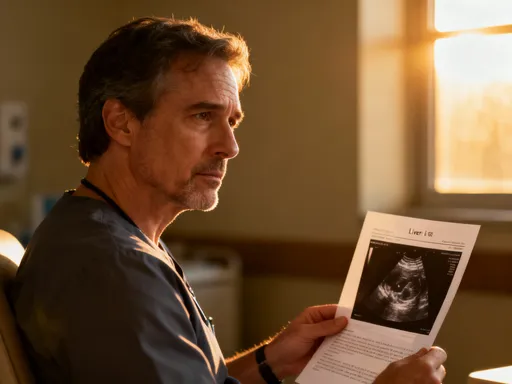
It started with a fall—nothing dramatic, just a misstep on a wet kitchen floor. But the sharp pain in my lower back told me something was wrong. In the days that followed, even standing up from a chair became a slow, painful ritual. Simple tasks like folding laundry or walking to the mailbox felt out of reach. The doctor’s diagnosis was clear: a lumbar strain with nerve irritation, and the prescription was immediate rest followed by structured physical therapy. At first, I resisted. I thought I could tough it out, that time alone would heal everything. But after two weeks of worsening stiffness and sleepless nights, I realized this wasn’t just a passing ache—it was a wake-up call.
Walking into my first physical therapy session, I felt a mix of embarrassment and fear. I was used to being active, independent, and in control. Now, I couldn’t lift a grocery bag without flinching. My physical therapist, a calm and observant woman named Sarah, didn’t rush me. She asked detailed questions about my daily routine, posture habits, and how the injury had changed my mood. For the first time, I felt seen not just as a body with a problem, but as a person navigating a life disruption. She explained that recovery wasn’t just about fixing the back—it was about rebuilding confidence in movement. That shift in perspective was the beginning of real progress.
The emotional weight of injury is often underestimated. It’s not just physical pain; it’s the loss of autonomy, the frustration of depending on others, and the quiet fear of never returning to normal. I found myself withdrawing from social plans, avoiding conversations where I’d have to explain “how I was doing.” But Sarah helped me reframe the journey. She said, “Healing isn’t a race. It’s a series of small choices that add up.” That idea stuck with me. Instead of focusing on what I couldn’t do, I began to notice what I could. The first time I bent forward without bracing my hands on my knees, I celebrated. The day I walked a full mile without stopping, I wrote it down. These weren’t grand victories, but they were real. And over time, they rebuilt not just my strength, but my spirit.
Why Movement Is Medicine (And How PT Proved It)
One of the biggest misconceptions about injury recovery is that rest is always the answer. While initial rest is often necessary, prolonged inactivity can actually delay healing. What surprised me most in physical therapy was learning that movement, when done correctly, is one of the most powerful tools for recovery. My therapist called it “controlled loading”—a way of gently challenging injured tissues so they adapt and grow stronger. It wasn’t about pushing through pain, but about finding the right amount of stress to stimulate healing without causing harm.
Here’s how it works: when you move, blood flow increases to the muscles and joints. This delivers oxygen and nutrients needed for tissue repair and carries away inflammatory byproducts that contribute to stiffness and discomfort. Over time, this improved circulation reduces swelling and speeds up recovery. But beyond circulation, movement also re-educates the nervous system. After an injury, the brain often “protects” the area by limiting motion, even after the tissue has healed. This protective guarding can lead to compensatory patterns—like limping or hunching—that create new problems elsewhere. Physical therapy helps retrain the brain-body connection, restoring natural, efficient movement patterns.
Another key concept I learned was joint stability. Joints like the spine, hips, and shoulders rely on a balance of mobility and support. Muscles, ligaments, and tendons work together like a network of guy wires on a tent, keeping everything aligned and functional. When one area is injured, that balance is disrupted. Physical therapy focuses on restoring stability through targeted exercises that strengthen supporting muscles and improve proprioception—your body’s sense of where it is in space. This is especially important as we age, when natural declines in muscle mass and coordination can increase fall risk and reduce independence.
Perhaps the most empowering realization was that healing is not passive. Unlike taking a pill or waiting for a cast to come off, physical therapy requires active participation. You are not just a recipient of care; you are the driver of your recovery. This sense of agency made a huge difference in my motivation. I wasn’t waiting for my body to heal on its own—I was helping it heal. And that made every small improvement feel earned, not accidental.
My Daily Non-Negotiables: Small Habits, Big Impact
One of the most valuable lessons from physical therapy wasn’t a single exercise, but a mindset: consistency over intensity. Sarah didn’t ask me to spend hours in the gym or do exhausting workouts. Instead, she introduced three simple habits I could weave into my daily routine. These weren’t flashy or dramatic, but they became the foundation of my recovery and, eventually, my long-term wellness.
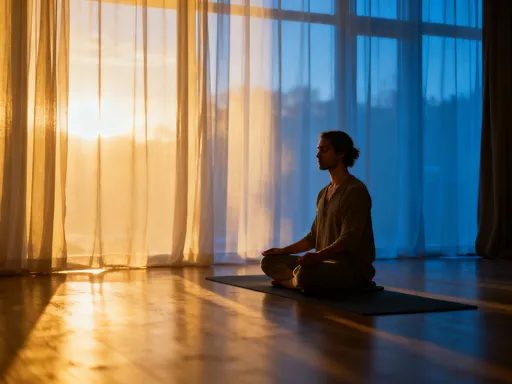
The first was morning mobility drills. Before I even got out of bed, I spent five minutes doing gentle movements: pelvic tilts, knee-to-chest lifts, and diaphragmatic breathing. These weren’t meant to be strenuous, but to “wake up” my spine and nervous system. Over time, I noticed I started the day with less stiffness and more body awareness. What began as a rehab exercise became a ritual of self-care, a quiet moment to check in with how my body was feeling.
The second habit was posture checks. I used to think posture was just about looking confident, but I learned it directly affects pain and function. Sarah taught me to notice when I was slouching at my desk, craning my neck while reading, or standing with all my weight on one hip. She suggested setting reminders on my phone to pause and reset every hour. At first, it felt tedious, but within weeks, better alignment became second nature. I also made small changes, like raising my laptop to eye level and using a lumbar roll in my chair. These adjustments reduced strain on my back and shoulders, and surprisingly, even eased my occasional headaches.
The third habit was breathing exercises. I didn’t expect something as simple as breathing to play a role in physical recovery, but it did. Many of us breathe shallowly, especially when stressed or in pain. This limits oxygen flow and can increase muscle tension. Sarah taught me diaphragmatic breathing—slow, deep breaths that expand the belly rather than the chest. We practiced it during sessions and I continued at home, especially before bed. Not only did it help me relax, but it also improved my core engagement, which supported my lower back during movement. Over time, these three habits became non-negotiables, like brushing my teeth or locking the front door. They required minimal time but delivered maximum benefit.
When Motivation Faded—And What Kept Me Going
Recovery is rarely a straight line. There were weeks when my progress stalled, when I did everything “right” and still felt no better. These plateaus were frustrating, even demoralizing. I started to wonder if the exercises were working at all. There was one morning, about eight weeks in, when I almost quit. I’d woken up with a twinge in my back, my shoulders felt tight, and I was tired of the routine. I sat on the edge of my bed, staring at my exercise mat, and thought, “What’s the point?”
What saved me wasn’t willpower, but structure. Sarah had encouraged me to set micro-goals—tiny, measurable targets that were easy to achieve but meaningful. Instead of focusing on “getting better,” I focused on things like “standing for 10 minutes without shifting weight” or “walking to the end of the block and back.” I started tracking these in a small notebook, putting a checkmark each time I succeeded. Seeing those checkmarks add up gave me a sense of progress, even on days when I didn’t “feel” different. It was a visual reminder that I was moving forward, even if slowly.
I also learned the importance of self-compassion. I used to be hard on myself if I missed a day or didn’t complete all my exercises. But Sarah reminded me that recovery isn’t about perfection. “Healing takes time,” she said. “Some days will be better than others. What matters is that you keep showing up.” That permission to be imperfect lifted a huge emotional burden. I began to treat myself with the same kindness I would offer a friend going through a tough time. I stopped comparing my progress to others. I celebrated small wins without downplaying them. And slowly, my motivation returned—not as a burst of energy, but as a steady, quiet commitment.
Home Hacks That Actually Helped My Progress
One of the most practical aspects of physical therapy was learning how to adapt my home environment to support healing. Sarah didn’t just give me exercises—she helped me design a space where those exercises could become habits. Small, low-cost changes made a surprising difference in my consistency and comfort.
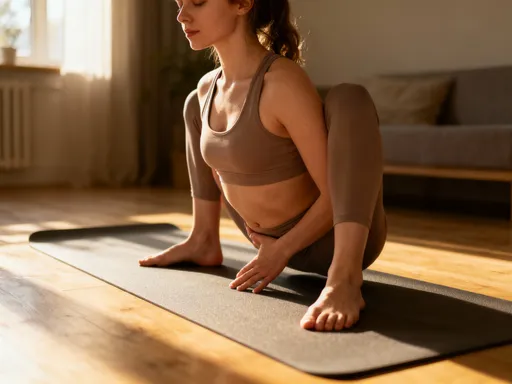
One of the first things I did was create a dedicated movement space. It wasn’t fancy—just a corner of the living room with a yoga mat, a resistance band, and a foam roller. But having everything in one place removed the friction of “having to get things ready.” Out of sight, out of mind no longer applied. Seeing the mat every day was a gentle reminder to move. I also placed a small mirror there so I could check my form during exercises, which boosted my confidence and reduced the risk of doing something incorrectly.
Another simple hack was using pillows for alignment. I learned that proper support during rest is just as important as movement. I started sleeping with a pillow under my knees when on my back, or between my legs when on my side. This kept my spine in a neutral position and reduced nighttime discomfort. I also used a small rolled towel behind my lower back when sitting for long periods. These supports weren’t medical devices—just household items used with intention.
Finally, I linked my exercises to daily cues. Instead of trying to remember to do my stretches at a specific time, I paired them with existing habits. For example, I did my shoulder rolls and neck stretches after brushing my teeth. I practiced my breathing exercises while waiting for the coffee to brew. These “habit stacking” techniques made it easier to stick with the routine because they didn’t require extra time or mental effort. Over time, these cues became automatic, and the exercises followed without resistance. Consistency, not intensity, became the rule.
The Hidden Link Between PT and Everyday Life
At first, I thought physical therapy was only for fixing the injury. But as I progressed, I began to notice benefits that extended far beyond my back pain. My sleep improved. I had more energy during the day. I felt less anxious, more present. These weren’t just side effects—they were connected to the way my body was moving and functioning.
Better movement supports better sleep because it helps regulate the nervous system. When your body isn’t tense or in pain, it can more easily transition into restful states. Deep breathing and gentle stretching in the evening signaled to my body that it was time to wind down. I also noticed that regular movement helped manage stress. Physical activity, even at a low intensity, releases endorphins and reduces cortisol, the stress hormone. Instead of feeling overwhelmed by daily demands, I felt more capable of handling them.
The real-world benefits became obvious in everyday moments. I could carry grocery bags without setting them down every few steps. I could play on the floor with my grandchildren without worrying about getting up. I could stand in the kitchen making dinner for an hour without needing to sit. These weren’t dramatic feats, but they restored a sense of normalcy and joy. I realized that physical therapy wasn’t just about recovering from an injury—it was about reclaiming my life. It wasn’t just a fix; it was an investment in long-term resilience.
What I Wish I’d Known Earlier—And Why You Should Start Now
If I could go back, I’d tell my pre-injury self two things: start listening to your body sooner, and don’t wait for pain to take action. I ignored small aches and poor posture for years, thinking they were just part of aging or being busy. But those small things added up. Now I know that physical therapy isn’t just for after an injury—it’s a tool for prevention. It’s like having a tune-up for your body before the engine starts making strange noises.
I also wish I’d known that asking for help isn’t a sign of weakness. There’s a cultural tendency, especially among women, to push through discomfort, to be the caregiver rather than the one needing care. But taking care of yourself isn’t selfish—it’s necessary. Professional guidance from a physical therapist is not a luxury; it’s a critical part of staying strong and independent as we age. They can spot imbalances, correct movement patterns, and create personalized plans that address your unique needs.
Physical therapy taught me that strength isn’t just about lifting heavy things—it’s about resilience, adaptability, and self-awareness. It’s about moving with confidence, breathing with ease, and living without fear of the next injury. The habits I built during recovery have become a permanent part of my life. I still do my morning drills. I still check my posture. I still breathe deeply, especially on stressful days.
If you’re recovering from an injury, or even if you’re just noticing aches and stiffness, I encourage you to consider physical therapy not as a last resort, but as a proactive step toward a healthier future. You don’t have to wait until you’re in pain to start caring for your body. Small, consistent actions today can prevent bigger problems tomorrow. Healing is possible. Strength is rebuildable. And with the right support, you can stay strong long after the injury has faded.