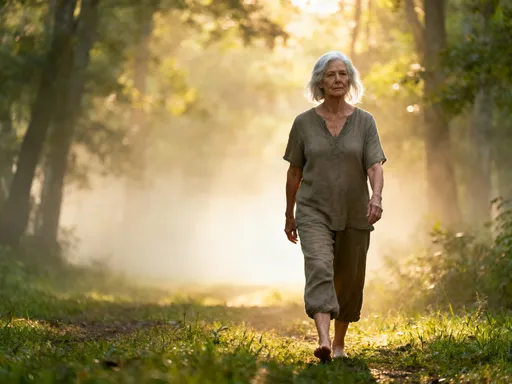
What If Aging Wasn’t the Enemy? My Deep Dive Into Staying Healthier, Longer
We all want to stay strong, sharp, and vibrant as we age—but what if the key isn’t fighting time, but working with it? I’ve spent years exploring science-backed ways to slow aging and prevent disease before it starts. It’s not about miracle cures; it’s about daily choices that add up. From how we eat to how we move and even how we sleep, small shifts can have a real impact. This is what I’ve learned.
Rethinking Aging: Why It’s Not Just About Wrinkles
Aging is often viewed through the lens of appearance—graying hair, fine lines, a slower pace. But the true nature of aging runs much deeper, beneath the surface, in the trillions of cells that make up the human body. Biological aging refers to the gradual decline in the body’s ability to repair, regenerate, and function optimally. This process begins silently, often in midlife, and accelerates with lifestyle factors such as poor diet, physical inactivity, chronic stress, and lack of sleep. While chronological age is fixed, biological age can vary significantly from person to person, meaning two individuals of the same age may have vastly different health trajectories.
One of the key drivers of biological aging is chronic inflammation, sometimes referred to as “inflammaging.” Unlike acute inflammation, which helps the body heal from injury, chronic low-grade inflammation persists over time and contributes to the development of many age-related diseases. Research has shown that elevated levels of inflammatory markers such as C-reactive protein are linked to a higher risk of heart disease, type 2 diabetes, certain cancers, and cognitive decline. The immune system, once a protector, can become overactive and start damaging healthy tissues when inflammation is unchecked. This shift is not an inevitable consequence of growing older—it is heavily influenced by lifestyle.
This leads to an important distinction: lifespan versus healthspan. Lifespan is simply how long a person lives. Healthspan, on the other hand, refers to the number of years lived in good health, free from chronic disease and disability. Extending lifespan without improving healthspan means living longer in poor health—a reality many wish to avoid. The goal, then, is not merely to reach an advanced age, but to remain active, independent, and mentally sharp well into later years. Studies of populations in so-called “Blue Zones,” where people live longer and healthier lives, consistently show that lifestyle—not genetics—is the dominant factor in achieving a long healthspan.
Alarmingly, signs of accelerated biological aging are now appearing in younger adults. Sedentary lifestyles, ultra-processed diets, and constant digital stimulation contribute to early metabolic dysfunction, poor cardiovascular health, and cognitive fatigue. Blood pressure, cholesterol levels, and blood sugar imbalances that were once considered problems of middle and old age are now being diagnosed in people in their 30s and 40s. This shift underscores the urgency of adopting preventive habits earlier in life. Aging is not a sudden event; it is a lifelong process shaped by daily decisions. By redefining aging as something modifiable rather than inevitable, individuals can take meaningful action to preserve their vitality.
The Root of Longevity: How Cells Age and What We Can Do
At the core of aging lies the behavior of our cells. Over time, cellular functions begin to decline, leading to reduced tissue repair, weakened immunity, and slower metabolism. Three key biological processes play a central role in this decline: telomere shortening, mitochondrial dysfunction, and cellular senescence. Telomeres are protective caps at the ends of chromosomes that shorten with each cell division. When they become too short, the cell can no longer divide and either dies or becomes dysfunctional. Shorter telomeres are associated with a higher risk of age-related diseases and earlier mortality. While telomere shortening is a natural part of aging, factors such as chronic stress, smoking, and poor diet can accelerate the process.
Mitochondria, often called the powerhouses of the cell, generate energy in the form of ATP. As we age, mitochondria become less efficient and produce more harmful byproducts known as reactive oxygen species (ROS), contributing to oxidative stress. Oxidative stress occurs when there is an imbalance between free radicals and antioxidants in the body, leading to damage in DNA, proteins, and cell membranes. This damage accumulates over time and is a major contributor to aging and disease. However, lifestyle choices can influence mitochondrial health. Regular physical activity, adequate sleep, and a diet rich in antioxidants have all been shown to support mitochondrial function and reduce oxidative stress.
Cellular senescence is another critical factor. Senescent cells are those that have stopped dividing but do not die. Instead, they remain in the body and secrete inflammatory molecules that can harm nearby healthy cells. These “zombie cells” contribute to tissue dysfunction and chronic inflammation. While the body has mechanisms to clear senescent cells, this process becomes less efficient with age. Emerging research suggests that certain lifestyle interventions, including intermittent fasting and specific plant compounds, may help reduce the burden of senescent cells. While we cannot stop aging at the cellular level, we can slow its progression through consistent, health-supporting habits.
The encouraging news is that many of these cellular aging processes are responsive to lifestyle. Exercise, for example, has been shown to lengthen telomeres and improve mitochondrial efficiency. A study published in the journal Preventive Medicine found that adults who engaged in regular aerobic and strength training had biologically younger cells compared to sedentary individuals of the same age. Similarly, managing stress through mindfulness or relaxation techniques has been linked to longer telomeres and reduced inflammation. These findings reinforce the idea that aging is not a one-way decline but a dynamic process influenced by daily choices. By supporting cellular health, individuals can enhance their resilience and delay the onset of age-related decline.
Food as Prevention: Eating for Long-Term Resilience
Diet plays a foundational role in how we age. What we eat directly affects inflammation, oxidative stress, and cellular repair—all key factors in longevity. Among the most well-researched eating patterns for healthy aging is the Mediterranean diet. Characterized by an abundance of vegetables, fruits, whole grains, legumes, nuts, olive oil, and fish, with moderate consumption of dairy and limited red meat and processed foods, this dietary pattern has been consistently linked to lower rates of heart disease, cognitive decline, and premature death. The benefits are not due to any single “superfood” but to the synergistic effect of nutrient-dense, minimally processed foods.
Plant-rich diets are particularly powerful in promoting longevity. Plants are rich in polyphenols, natural compounds that act as antioxidants and anti-inflammatory agents. Foods such as berries, dark leafy greens, green tea, and dark chocolate are high in polyphenols and have been shown to support vascular health, improve insulin sensitivity, and protect brain function. Fiber, another key component of plant-based eating, feeds beneficial gut bacteria and helps regulate blood sugar and cholesterol levels. A healthy gut microbiome is increasingly recognized as a critical factor in aging, influencing everything from immunity to mood and cognitive health.
Omega-3 fatty acids, found in fatty fish like salmon, mackerel, and sardines, as well as in flaxseeds and walnuts, play a vital role in reducing inflammation and supporting brain and heart health. Studies have shown that higher intake of omega-3s is associated with slower telomere shortening and a reduced risk of cognitive decline. Similarly, avoiding ultra-processed foods—those high in added sugars, refined grains, and unhealthy fats—is essential. These foods promote inflammation, disrupt metabolic health, and are linked to accelerated biological aging.
Time-restricted eating, a form of intermittent fasting, has also gained attention for its potential anti-aging benefits. By limiting food intake to a consistent window each day—typically 8 to 12 hours—the body has time to enter repair and maintenance mode during fasting periods. This practice has been shown to improve insulin sensitivity, reduce inflammation, and support cellular cleanup processes such as autophagy. However, it is not suitable for everyone, especially those with certain medical conditions or a history of disordered eating. The key is not strict adherence to any single diet, but finding a sustainable way of eating that emphasizes whole, nourishing foods and minimizes processed options.
Movement That Matters: Exercise Beyond Weight Loss
Exercise is often promoted for weight management, but its true value lies in its ability to preserve function, prevent disease, and extend healthspan. Physical activity strengthens the heart, improves circulation, enhances insulin sensitivity, and supports brain health. It also plays a critical role in maintaining muscle mass, which naturally declines with age—a process known as sarcopenia. After age 30, adults lose about 3% to 5% of muscle mass per decade, and this loss accelerates after 60. Reduced muscle mass leads to slower metabolism, increased frailty, and a higher risk of falls and disability.
A well-rounded fitness routine includes three types of exercise: aerobic, strength, and flexibility training. Aerobic exercise, such as brisk walking, cycling, or swimming, improves cardiovascular endurance and helps lower blood pressure and cholesterol. The American Heart Association recommends at least 150 minutes of moderate-intensity aerobic activity per week. Strength training, which includes lifting weights, using resistance bands, or bodyweight exercises like squats and push-ups, is essential for building and preserving muscle. Even two sessions per week can make a significant difference in metabolic health and functional independence.
Flexibility and balance exercises, such as yoga or tai chi, are often overlooked but are crucial for maintaining mobility and preventing injuries. As we age, joints become stiffer, and balance can deteriorate, increasing the risk of falls—a leading cause of injury in older adults. Incorporating stretching and balance work into a routine helps maintain range of motion, reduces stiffness, and improves coordination. The best exercise plan is one that is enjoyable and sustainable. It doesn’t require a gym membership or hours of training; even short bouts of movement throughout the day add up.
The benefits of exercise extend beyond the physical. Regular physical activity has been shown to reduce symptoms of anxiety and depression, improve sleep quality, and enhance cognitive function. It stimulates the release of brain-derived neurotrophic factor (BDNF), a protein that supports the growth and survival of neurons, which is vital for memory and learning. For women in midlife and beyond, staying active can ease the transition through menopause by helping regulate mood, energy levels, and body composition. Movement is not just about looking good—it is about feeling strong, capable, and resilient at every stage of life.
Sleep and Stress: The Silent Drivers of Aging
Sleep and stress are two of the most underappreciated factors in healthy aging. Poor sleep quality or insufficient sleep duration—less than seven hours per night—has been linked to accelerated biological aging, weakened immunity, and a higher risk of chronic diseases including obesity, diabetes, and Alzheimer’s disease. During deep sleep, the brain clears out metabolic waste through the glymphatic system, a process essential for cognitive health. Disrupted sleep impairs this cleanup, allowing harmful proteins like beta-amyloid to accumulate. Over time, this increases the risk of neurodegenerative conditions.
Chronic stress activates the hypothalamic-pituitary-adrenal (HPA) axis, leading to prolonged elevation of cortisol, the body’s primary stress hormone. While cortisol is necessary for responding to acute challenges, chronic elevation damages tissues, increases inflammation, and disrupts metabolic and immune function. Long-term stress has been associated with shorter telomeres, higher blood pressure, and impaired cognitive performance. The modern lifestyle—constant connectivity, work demands, caregiving responsibilities—can keep the stress response continuously activated, leaving little time for recovery.
Improving sleep hygiene is a powerful way to support longevity. Simple practices such as maintaining a consistent sleep schedule, reducing screen time before bed, keeping the bedroom cool and dark, and avoiding caffeine in the afternoon can significantly enhance sleep quality. Creating a relaxing bedtime routine—such as reading, gentle stretching, or listening to calming music—signals to the body that it is time to wind down. For those struggling with insomnia or chronic stress, cognitive behavioral therapy for insomnia (CBT-I) has been shown to be highly effective.
Stress management techniques can help regulate the nervous system and reduce the harmful effects of chronic stress. Mindfulness meditation, deep breathing exercises, and progressive muscle relaxation have all been shown to lower cortisol levels and improve emotional regulation. Even brief daily practices—such as five minutes of focused breathing or a short walk in nature—can restore balance. Building resilience is not about eliminating stress, which is inevitable, but about improving the body’s ability to recover from it. Prioritizing rest and emotional well-being is not a luxury; it is a necessary component of long-term health.
The Hidden Factor: Social Connection and Purpose
While diet, exercise, sleep, and stress management are often highlighted in discussions of healthy aging, social connection and a sense of purpose are equally vital. Numerous studies have shown that people with strong social ties live longer, healthier lives. Social isolation and loneliness, on the other hand, are associated with a 29% increased risk of heart disease and a 32% increased risk of stroke. Loneliness acts as a chronic stressor, triggering inflammation and weakening immune function. It can also lead to poor sleep, depression, and reduced motivation to engage in self-care behaviors.
Meaningful relationships—whether with family, friends, or community groups—provide emotional support, reduce stress, and enhance life satisfaction. Engaging in regular social activities, volunteering, or joining clubs and classes can foster connection and combat isolation. For many women, especially after children leave home or during retirement, maintaining social engagement requires intentional effort. Yet, these connections are not just emotionally rewarding—they are biologically protective.
Having a sense of purpose is another powerful predictor of longevity. Research from the Rush Memory and Aging Project found that individuals with a strong sense of purpose were less likely to develop Alzheimer’s disease and had a lower risk of death from all causes. Purpose can come from many sources—caregiving, creative work, teaching, mentoring, or contributing to a cause. It provides motivation, structure, and a reason to stay engaged with life. Unlike material success or external achievements, purpose is deeply personal and can evolve over time.
Cultivating emotional well-being is not a secondary concern—it is a core pillar of disease prevention. Emotional health influences physical health through complex biological pathways, including inflammation, hormone regulation, and nervous system function. Practices that nurture connection and meaning—such as expressing gratitude, writing in a journal, or spending time with loved ones—should be considered as essential as eating well or exercising. Aging well is not just about avoiding disease; it is about living a life that feels meaningful and fulfilling.
Putting It All Together: A Sustainable Approach to Aging Well
Healthy aging is not the result of a single habit or a short-term fix. It is the cumulative effect of consistent, science-backed choices across multiple areas of life. No single factor—diet, exercise, sleep, stress management, or social connection—works in isolation. The synergy between these elements creates a foundation of resilience that supports long-term health. For example, good sleep enhances recovery from exercise, while physical activity improves sleep quality and reduces stress. A nutritious diet supports brain health, which in turn strengthens emotional regulation and social engagement.
The key to success is sustainability. Drastic overhauls or extreme regimens are rarely maintainable over time and can lead to frustration and burnout. Instead, gradual, personalized changes are more effective. Start with one small habit—such as adding a serving of vegetables to each meal, taking a 10-minute walk daily, or setting a consistent bedtime—and build from there. Progress is not measured by perfection but by consistency. Even on days when routines are disrupted, returning to healthy habits reinforces long-term success.
It is also important to recognize that aging is not something to fear or resist. It is a natural, inevitable part of life. The goal is not to look younger but to feel stronger, think clearer, and live with greater vitality. With knowledge, intention, and care, it is possible to influence how we age. By making informed choices today, individuals can shape their healthspan and enjoy a future filled with energy, connection, and purpose. Aging is not the enemy—it is an opportunity to live with greater wisdom and well-being.