From Distracted to Nourished: The Nutrition App That Rescued My Busy Days
Life moves fast, and eating well often slips through the cracks. You’re not alone if you’ve ever stared into the fridge, overwhelmed and hungry, with no idea what to eat. I used to live on snacks and leftovers—until a simple nutrition app transformed how I care for myself, not in big overhauls, but in the tiny moments between meetings, school runs, and late-night work. It didn’t judge or demand perfection. It just showed up, quietly guiding me to better choices, one five-minute window at a time. And honestly? That small shift changed everything.
The Myth of Perfect Health in a Hectic World
Let’s be real—no one wakes up and thinks, “Today, I’m going to eat poorly.” We all want to feel good, energized, and in control of our health. But somewhere between packing lunches, answering emails, and remembering whose turn it is to pick up soccer practice, the idea of a balanced meal feels like a distant dream. I used to believe that eating well meant spending hours meal prepping on Sundays, having a perfectly organized pantry, and never, ever giving in to the siren call of the office snack drawer. That vision worked for about two weeks—then life happened.
I’d come home exhausted, too tired to cook, and end up with a plate of whatever was easiest: crackers, cheese, maybe a sad-looking banana. Sound familiar? I thought I was failing. But the truth was, I wasn’t failing—I was just trying to fit a rigid ideal into a flexible, unpredictable life. The problem wasn’t me. It was the myth that healthy eating has to be perfect, planned, and time-consuming. And that’s where everything started to change. I realized I didn’t need more willpower. I needed a smarter way to support myself in the moments when I had the least energy.
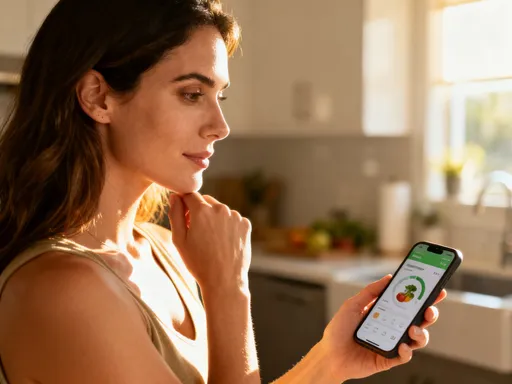
That’s when I downloaded a nutrition app—not the kind that shames you for skipping a salad or tracks every calorie like a strict teacher. This one was different. It didn’t ask me to overhaul my life. It just asked, “What do you have right now?” and “How much time do you have?” Simple questions. But they opened the door to a new way of thinking: that health isn’t about grand gestures. It’s about small, consistent choices that add up when life is loud and messy.
How a Simple App Became My Daily Co-Pilot
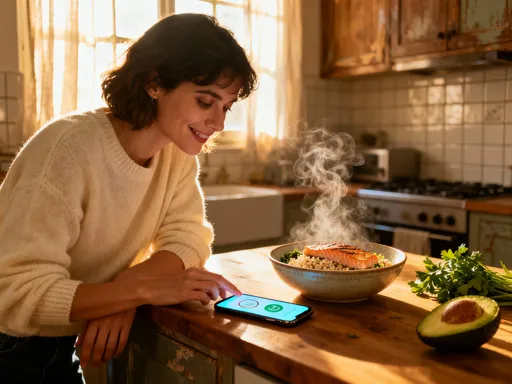
I’ll admit, I was skeptical at first. I’d tried apps before—ones that counted calories, weighed portions, and made me feel guilty for eating a piece of bread. But this one felt more like a conversation than a command. On my first day, I opened it during a five-minute break while my daughter finished her piano lesson. I typed in “leftover chicken, rice, frozen broccoli,” and it gave me three quick ideas: a stir-fry with soy sauce and sesame oil, a grain bowl with avocado, or a wrap with hummus. Nothing fancy. Nothing time-consuming. But all of it felt doable.
What surprised me most was how it adapted to my real life. Some days, I had 30 minutes and energy to cook. Other days, I had five minutes and zero motivation. The app didn’t treat those moments the same—and that made all the difference. It didn’t push a one-size-fits-all plan. Instead, it asked, “How are you feeling?” and adjusted suggestions based on my mood. On low-energy days, it recommended protein-rich snacks or hydrating smoothies. On busy afternoons, it reminded me to drink water or suggested a quick stretch to reset.
Slowly, I started to see the app not as tech, but as a quiet ally. It didn’t replace my judgment—it supported it. I still made the choices, but now I had help. It was like having a thoughtful friend whispering, “Hey, you’ve got this. Here’s one easy thing you can do right now.” And over time, those small nudges built a rhythm I didn’t know I could create.
Eating Well in the Gaps: The Power of Micro-Moments
Here’s what no one tells you: you don’t need big blocks of time to eat well. You just need to use the small moments you already have. I used to think, “I’ll eat better when things slow down.” But life doesn’t slow down. Instead, I learned to work with the gaps—the five minutes while the laundry loads, the ten minutes before a Zoom call, the quiet pause after the kids go to bed.
The app helped me see those moments as opportunities. It sent gentle reminders: “You haven’t eaten in four hours. How about a quick snack?” or “You’ve got Greek yogurt and berries in the fridge—ready in 2 minutes.” At first, I ignored them. But then I tried one. I grabbed the yogurt, added some chia seeds, and sat down for two minutes. That tiny pause didn’t fix everything, but it made me feel seen. It reminded me that I mattered, even in the chaos.
One afternoon, I was rushing between errands and felt that familiar crash—headache, irritability, the urge to grab a candy bar. Instead, I opened the app. It said, “Try a balanced snack: protein + fiber. You’ve got almonds and an apple.” I almost laughed. That’s it? But I did it. And within 20 minutes, I felt calmer, clearer, more like myself. That moment taught me something powerful: nourishment isn’t about perfection. It’s about showing up for yourself, even in the smallest ways.
Now, I use those micro-moments like tiny deposits in a self-care bank. I chop veggies while waiting for the kettle to boil. I pack a snack the night before so it’s ready in the morning rush. These aren’t heroic acts—they’re quiet wins. And together, they’ve built a foundation of energy and calm I didn’t think was possible.
Smart Suggestions, Not Strict Rules
One of the biggest surprises was how flexible the app was. I expected rules: “Eat this, not that.” “No sugar. No carbs.” But instead, it offered choices. It didn’t care if I ate breakfast at 7 a.m. or 10 a.m. It just wanted to help me make the best choice in that moment. And that flexibility made it sustainable.
It started suggesting things I’d never think of—like adding a spoon of nut butter to my oatmeal for staying power, or pairing crackers with cheese and fruit instead of eating them plain. One day, after a long work session, I felt sluggish and unmotivated. The app noticed I hadn’t logged anything in hours and suggested, “Try a high-protein snack. You’ve got hard-boiled eggs and whole grain toast.” I made it, ate it slowly, and within 30 minutes, my brain fog lifted. It wasn’t magic. It was science—but delivered in a way that felt personal, not clinical.
Another feature I love is the grocery shortcut list. Instead of a long, overwhelming shopping list, it creates a simple, categorized one based on what I’ve cooked before and what’s healthy. It even suggests swaps—like using lentils instead of ground beef in tacos, or choosing frozen fruit when fresh isn’t in season. These aren’t demands. They’re invitations to try something new without pressure.
And because it learns over time, it started anticipating my needs. On days I logged low energy, it suggested iron-rich foods. On busy weekends, it offered one-pot meals. It wasn’t controlling—it was caring. And that subtle difference made me want to keep using it, not because I had to, but because it made life easier.
Beyond the Individual: Strengthening Family Routines
Here’s the part I didn’t expect: the app didn’t just change how I ate. It changed how our whole family eats. I started sharing the meal ideas with my partner, and soon, he was using the app too. We began planning dinners together, not as a chore, but as a quick 10-minute chat after the kids went to bed. “What do we have?” “What do we feel like?” “What can we make in 20 minutes?”
The app’s family-friendly suggestions were a game-changer. It had options my kids would actually eat—like sweet potato quesadillas, turkey and cheese roll-ups, or smoothie bowls with hidden spinach. I stopped feeling like the family short-order cook. Instead, we had a system. We’d look at the shared grocery list, stock up on staples, and let the app help us rotate meals so we weren’t eating the same three things every week.
Dinnertime used to be stressful—rushing, arguing, last-minute takeout. Now, it’s calmer. We still have busy nights, but we have backup plans: grain bowls, soup in the freezer, or a simple protein with roasted veggies. The app even suggests “leftover remixes”—turning last night’s roast chicken into a salad or wrap. It’s reduced food waste, saved money, and made me feel more in control.
But more than that, it’s brought us closer. We talk more about food, not as a source of guilt, but as a way to care for each other. My daughter now asks, “Did the app give you any good ideas today?” and we laugh about the time it suggested “banana sushi” (sliced banana on a tortilla with peanut butter—actually delicious). It’s become part of our rhythm, not a disruption.
The Quiet Confidence of Being Prepared
After months of using the app, something shifted inside me. It wasn’t just that I was eating better. It was that I felt more capable. I wasn’t waiting for the “perfect day” to start eating well. I was doing it, right now, with what I had. That built a quiet confidence—a sense that I could handle whatever the day threw at me.
I used to dread busy days, knowing I’d end up hangry, tired, and regretful. Now, I go into them prepared. I know I can find five minutes to eat something good. I know I can make a decent meal with three ingredients. I know I’m not alone in this. And that sense of control has spilled over into other areas of my life. I’m calmer, more focused, and kinder to myself.
The app didn’t fix everything. There are still nights when we order pizza. There are still days when I forget to drink water or eat at my desk. But now, those moments don’t derail me. I don’t spiral into guilt. I just open the app, pick one small thing to do better, and move on. Progress, not perfection. That’s the mindset it helped me build.
And the best part? I don’t even think about it much anymore. It’s just part of my day, like checking the weather or setting a reminder. It’s not a fix. It’s a friend—one that shows up quietly, consistently, and with kindness.
Making Technology Work for Real Life
Looking back, I realize the app didn’t change my life because it was flashy or complicated. It changed my life because it was simple, kind, and real. It met me where I was—tired, busy, trying my best—and said, “I’ve got you.” It didn’t demand more time, more energy, or more willpower. It just helped me use what I already had.
That’s the kind of technology we need more of—not tools that overwhelm us with data or make us feel behind, but ones that support us with empathy and intelligence. The best tech isn’t the one with the most features. It’s the one that disappears into your life and makes you feel stronger while it’s there.
If you’ve ever felt like eating well is out of reach, I want you to know: it’s not. You don’t need more time. You don’t need to be perfect. You just need a little support in the moments that matter. Maybe it’s an app. Maybe it’s a notebook, a routine, or a friend who checks in. Whatever it is, look for tools that respect your life as it is—not as someone thinks it should be.
Because here’s the truth: you’re already doing the hard part. You’re showing up. You’re caring for your family, your home, your work. The rest—eating well, feeling good, staying energized—doesn’t have to be another burden. It can be a series of small, supported choices. And those choices, over time, add up to a life that feels more nourished, more balanced, and more like your own.
So take that first small step. Open the app. Check the fridge. Make one good choice. You don’t have to do it all at once. You just have to start—right where you are, with what you’ve got. And trust me, that’s more than enough.