Why I Finally Took Control of My Health — A Real Talk on Quick Preventive Checks
You don’t have to wait for symptoms to care about your health. I learned this the hard way — after feeling constantly tired and unmotivated. What changed? A simple, fast health assessment that opened my eyes. It’s not about fixing something broken; it’s about staying ahead. Preventive healthcare isn’t just for doctors to decide — it’s something we can act on now, in real life, with small but powerful steps. Many women in their 30s, 40s, and 50s carry the weight of family, work, and daily responsibilities, often placing their own well-being at the bottom of the list. But what if the key to more energy, better sleep, and lasting vitality wasn’t found in a miracle cure — but in quiet, consistent attention to your body’s early signals? This is not a story of illness, but of awakening — and it begins long before any diagnosis.
The Wake-Up Call: When “Fine” Wasn’t Enough
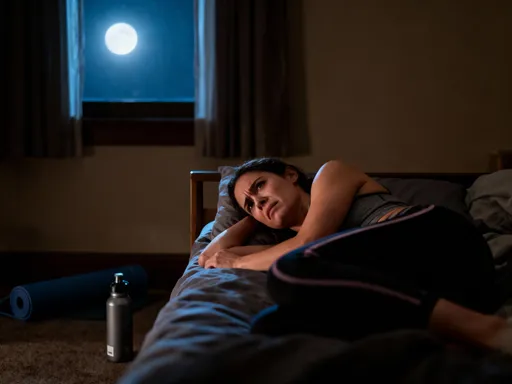
For years, I told myself I was fine. I managed my household, kept up with work, and made time for my children. I didn’t have any major health issues, no chronic pain, no hospital visits. But something was off. I felt constantly drained, as though I were running on a battery that never fully charged. Mornings were a struggle. I relied on coffee to get through the afternoon, only to crash by 6 p.m. My concentration was spotty, and I found myself forgetting small things — appointments, names, even where I’d left my keys. I chalked it up to stress, aging, or just being busy. After all, wasn’t that the norm for women my age?
The turning point came during a family vacation. While everyone else was hiking and laughing, I sat on a bench, too exhausted to join. I wasn’t sick — I just didn’t have the energy. That moment hit me hard. I realized that “feeling okay” wasn’t the same as being healthy. I wasn’t experiencing a crisis, but I wasn’t thriving either. That’s when I decided to stop waiting for something to go wrong. Instead of reacting to illness, I wanted to understand what my body was trying to tell me. I booked a preventive health assessment, not because I was afraid, but because I was curious — and ready for change.
This choice marked the beginning of a shift in how I viewed health. I began to see it not as the absence of disease, but as a dynamic state of balance. Preventive healthcare, I learned, is not something reserved for annual checkups or emergency visits. It’s a mindset — a daily commitment to listening, observing, and responding. It’s about catching small imbalances before they grow into larger problems. And most importantly, it’s something within reach for anyone, regardless of age or current health status. My journey wasn’t sparked by a diagnosis, but by a simple decision: to stop ignoring the whispers before they turned into shouts.
What Is a Quick Health Assessment — And Why It Matters
A quick health assessment is not a full medical exam, nor is it meant to replace one. Instead, it’s a practical, accessible way to monitor your body’s key signals on a regular basis. Think of it as a routine check-in — like glancing at your car’s dashboard to see if the fuel is low or the engine light is on. These assessments focus on vital signs and daily patterns such as blood pressure, resting heart rate, sleep quality, energy levels, and mood. The goal is not to diagnose illness, but to identify early trends that may indicate a need for adjustment.
One of the most important distinctions is between diagnostic testing and preventive screening. Diagnostic tests are used when symptoms are present — they aim to identify a specific condition. Preventive screenings, on the other hand, are designed for people who feel fine but want to stay that way. They look for subtle shifts — like slightly elevated blood pressure or a gradual decline in sleep quality — that might go unnoticed in everyday life. These early warnings don’t mean you’re sick, but they do suggest that your body may be under stress or out of balance.
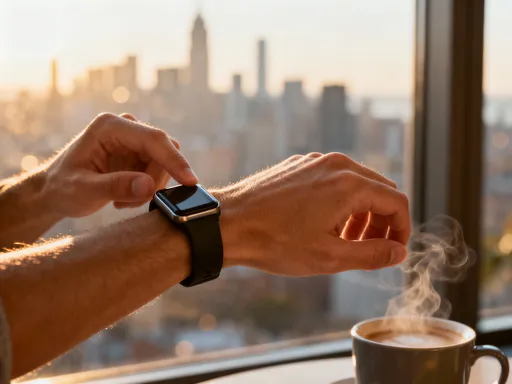
Examples of quick assessments include checking your blood pressure at a pharmacy kiosk, tracking your resting heart rate using a wearable device, or monitoring your energy levels throughout the day with a simple journal. Some women find it helpful to use at-home tools like glucose monitors, especially if there’s a family history of metabolic issues. The strength of these methods lies in their simplicity and accessibility. Because they are fast and non-invasive, they encourage consistency. And consistency is what turns data into insight. Over time, small observations build a clearer picture of your overall health, empowering you to make informed choices before problems arise.
The First Step: Tracking What Your Body Is Telling You
I started my journey with the most basic tool: awareness. I began keeping a daily log of my energy levels, noting when I felt alert, sluggish, or fatigued. I also tracked my sleep — not just how many hours I got, but how rested I felt upon waking. At first, the patterns seemed random. But after a few weeks, a few trends emerged. I noticed that on days when I drank less water, my energy dipped by mid-afternoon. I also saw a strong link between screen time after dinner and difficulty falling asleep.
One surprising discovery was the impact of afternoon caffeine. I had always assumed my evening fatigue was due to stress or lack of exercise. But the data showed something different: on days when I skipped my 3 p.m. coffee, I fell asleep faster and woke up feeling more refreshed. This wasn’t about eliminating coffee altogether — it was about timing. Small adjustments, guided by real observations, began to make a difference. I also started using a simple sleep-tracking app, which confirmed that my actual sleep quality was worse than I had thought. I wasn’t waking up often, but my deep sleep cycles were consistently low.
The key lesson was consistency over perfection. I didn’t need to track everything perfectly — just regularly enough to see patterns. I used a notebook at first, then transitioned to a free health app on my phone. Wearable devices helped too, though I focused on non-branded options that didn’t require a subscription. The goal wasn’t to become a data scientist, but to become a better listener. Each entry was a conversation with my body — a way of asking, “How are you today?” Over time, these small data points added up, creating a timeline of my well-being that I could actually see and understand.
Going Deeper: What Tests Gave Me Real Clarity
Encouraged by what I’d learned from self-monitoring, I decided to go a step further and request a routine blood panel from my healthcare provider. This included tests for cholesterol, blood sugar (HbA1c), vitamin D, and thyroid function — all common markers that can reveal underlying imbalances. I wasn’t looking for a dramatic diagnosis; I just wanted a clearer picture of what was happening inside my body.
The results were both reassuring and revealing. My cholesterol levels were within the normal range, and my thyroid function was stable. But my blood sugar level was borderline high — not in the diabetic range, but elevated enough to be considered a warning sign for insulin resistance. My doctor explained that this is increasingly common, especially among women in midlife, and often linked to diet, stress, and sedentary habits. What struck me was that I had no symptoms. I didn’t feel thirsty, I wasn’t urinating frequently, and I hadn’t lost weight unexpectedly. The imbalance was silent — but real.
Instead of feeling alarmed, I felt empowered. This wasn’t a sentence — it was a signal. My doctor didn’t prescribe medication. Instead, she recommended dietary changes and regular follow-ups to monitor the trend. We agreed that with early intervention, I could likely prevent further progression. This experience reinforced the value of preventive care: it’s not about fear, but about foresight. It’s about catching issues when they’re still reversible. And it’s about working with a professional who can help interpret results without jumping to conclusions. Self-monitoring gave me clues; medical testing gave me clarity. Together, they formed a complete picture.
Simple Shifts That Made a Noticeable Difference
With my test results in hand, I made a few targeted changes — not drastic overhauls, but small, sustainable shifts. First, I looked at my diet. I realized I was eating more processed snacks than I thought — granola bars, flavored yogurts, and packaged crackers that seemed healthy but were high in added sugars. I started replacing them with whole foods: sliced apples with almond butter, raw vegetables with hummus, and plain yogurt with fresh berries. I also made a point to include more fiber in my meals, which helped stabilize my blood sugar and keep me full longer.
Next, I focused on movement. I didn’t start going to the gym or training for a marathon. Instead, I committed to a 15-minute walk every day after dinner. At first, it felt like just another task on my to-do list. But within a few weeks, I began to look forward to it. The fresh air, the quiet time, and the gentle rhythm of walking helped clear my mind and improve my sleep. Over time, I increased the duration and added short strength exercises at home, but the foundation was that simple daily walk.
Sleep hygiene became another priority. I set a phone curfew an hour before bed and started reading instead. I also established a consistent bedtime, even on weekends. These changes didn’t fix everything overnight, but they created a more predictable rhythm for my body. I also introduced short mindfulness breaks during the day — just two or three minutes of deep breathing or quiet reflection. I didn’t call it meditation; I called it a mental reset. These moments helped me manage stress without adding pressure to “do it perfectly.”
The most rewarding part was seeing the results. Within two months, my energy levels improved. I no longer needed an afternoon coffee to stay awake. My sleep became deeper and more restful. And when I had my blood work repeated six months later, my glucose levels had returned to the normal range. These changes weren’t due to a miracle diet or a trendy supplement. They were the result of small, evidence-based actions guided by data and supported by consistency.
Breaking the Myth: Preventive Care Isn’t Just for Older Adults
One of the most persistent myths about preventive healthcare is that it’s only for older adults or those with existing health problems. Many women believe that if they’re not experiencing pain or illness, they don’t need to think about their health. But the reality is that chronic conditions like high blood pressure, insulin resistance, and vitamin deficiencies often develop silently over years — sometimes beginning in a person’s 30s or 40s. By the time symptoms appear, the condition may already be advanced.
Recent data shows a concerning rise in early-onset metabolic issues among adults under 40. Rates of prediabetes, for example, have increased significantly in the past decade, even among those who appear healthy. This doesn’t mean everyone is at risk, but it does highlight the importance of early awareness. Preventive checks are not about creating anxiety — they’re about creating opportunity. The earlier you begin monitoring your health, the more time you have to make positive changes.
Starting early also multiplies the long-term benefits. Small habits formed in midlife — like regular movement, balanced eating, and consistent sleep — can significantly reduce the risk of chronic disease later on. They support not just physical health, but mental clarity, emotional stability, and overall quality of life. And the good news is that it’s never too early or too late to begin. Whether you’re 35 or 55, the choices you make today shape your health tomorrow. Preventive care is not a one-size-fits-all approach, but a personal investment — one that pays dividends for years to come.
Making It Stick: Building a Habit, Not a One-Time Fix
One of the biggest challenges is maintaining momentum. It’s easy to get motivated after a health scare or a doctor’s visit, but harder to keep going when life gets busy. That’s why I made preventive care a seasonal habit — something I revisit every three to six months. I don’t wait for an annual checkup. Instead, I schedule a personal health check-in, just as I would tune up my car or clean out my home.
I’ve learned to pair these check-ins with natural milestones — the start of a new season, a birthday, or a change in routine like returning from vacation. These moments serve as gentle reminders to pause and assess. I review my energy logs, check my sleep patterns, and note any changes in mood or physical comfort. If needed, I schedule a blood test or a visit with my doctor. This rhythm keeps health top of mind without feeling overwhelming.
I also track progress over time. I keep a simple record of key metrics — resting heart rate, sleep duration, energy levels — and compare them from one check-in to the next. Seeing improvement, even small, reinforces my commitment. And if something slips, I don’t judge myself — I adjust. This isn’t about perfection; it’s about persistence. Over time, I’ve come to see my health not as a problem to solve, but as a system to maintain. Like a garden, it thrives with regular attention — watering, weeding, and occasional pruning. The effort is small, but the rewards are lasting.
Preventive healthcare isn’t about worrying over every ache — it’s about listening before the alarm goes off. My journey started with one simple check, but it sparked lasting change. By making quick health assessments part of life, not just medicine, we gain power over our well-being. This isn’t a cure — it’s a commitment. And it’s one worth making, no matter your age or current health. Always consult a healthcare provider to personalize your path — but never wait for permission to care.